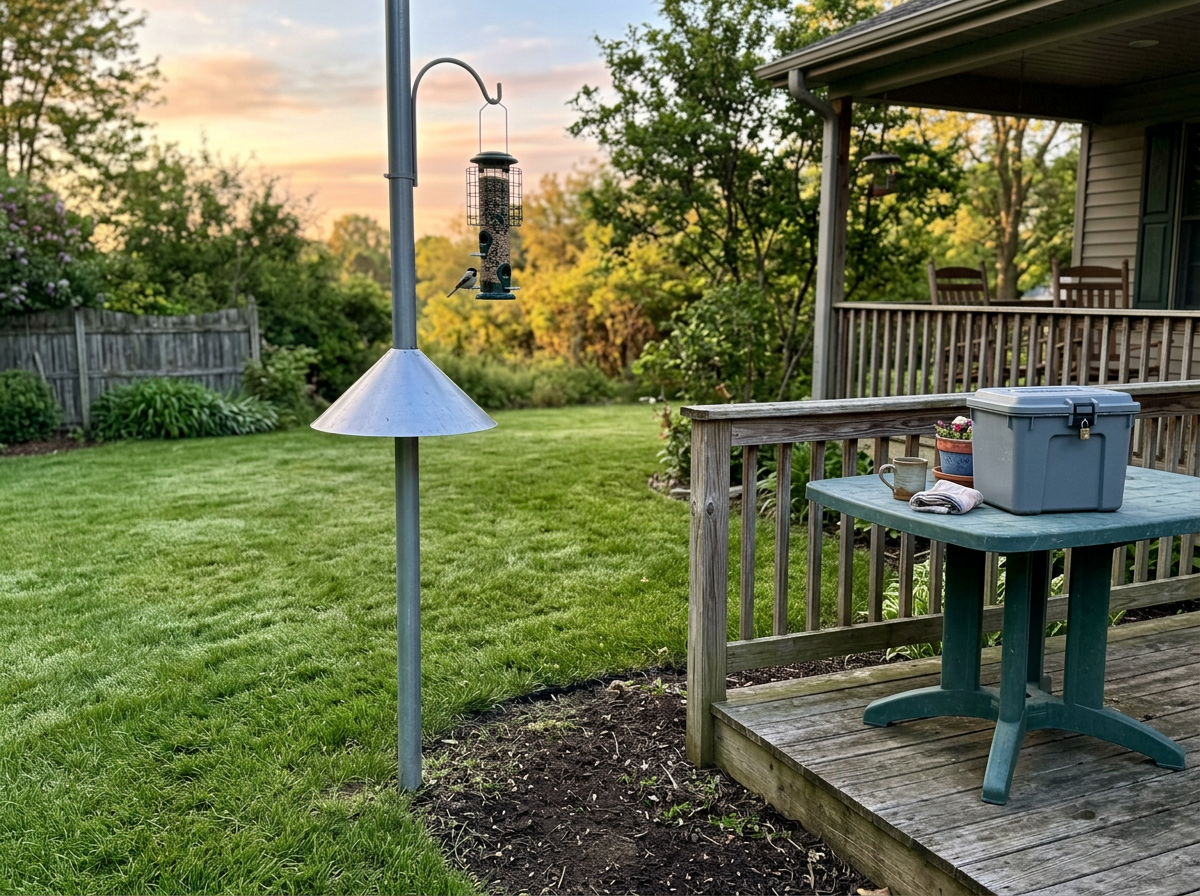
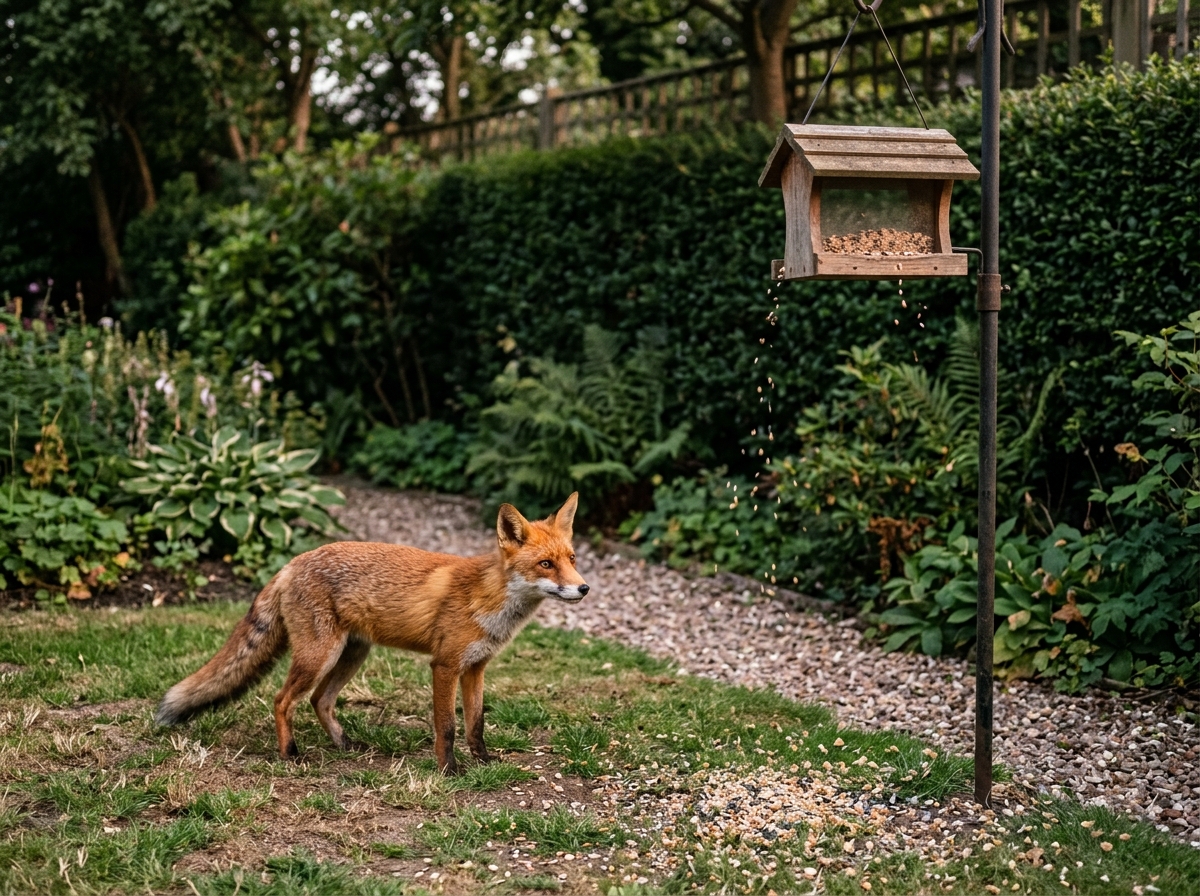
Yes, foxes do eat bird seed, but not in the way you might expect. They are not showing up to munch on sunflower seeds the way a squirrel would. What they are really after is the activity that bird seed creates: spilled seed attracts mice, voles, and small birds to the ground, and foxes follow that prey straight to your feeder., and foxes follow that prey straight to your feeder. They will also eat the seed itself opportunistically, especially mixed seed or cracked corn on the ground, because foxes are true omnivores and will take easy calories wherever they find them. If seed is disappearing faster than you can explain, or you are seeing signs of a medium-sized visitor at dusk or dawn, a fox is a very real suspect.
Do Foxes Eat Bird Seed? How to Stop Feeder Raids

Maya Collins
23 Mar 2026
Why foxes are drawn to your bird feeder in the first place
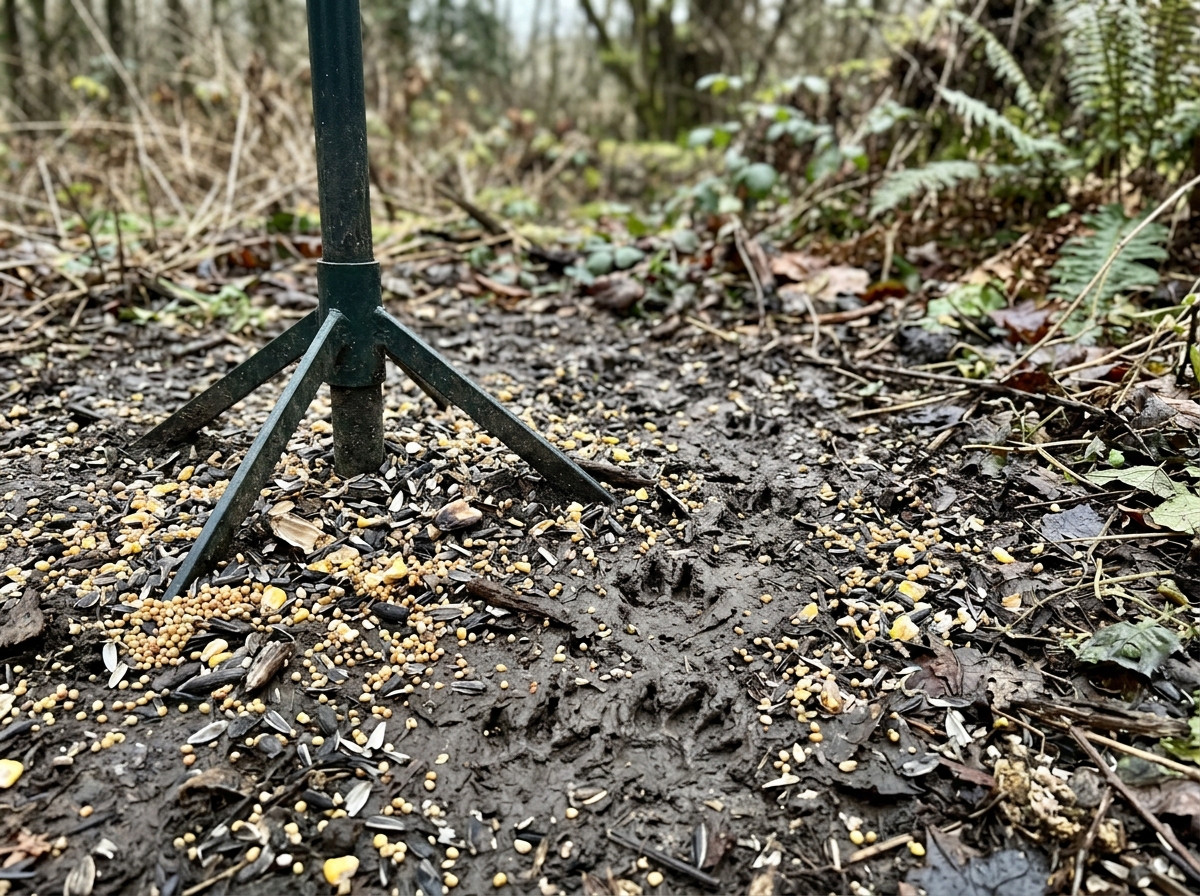
Both red foxes and gray foxes are opportunistic omnivores. The US Forest Service documents that red fox diets include small mammals, birds, fruits, and insects, and that the mix shifts based on what is available. Gray foxes will climb to reach bird nests for eggs and nestlings, so a ground-level feeder with scatter is genuinely appealing to them. Maine's Department of Inland Fisheries and Wildlife is direct about it: foxes eat small birds and mammals depending on what the season offers.
The real magnet is the concentrated activity, not the seed itself. A K-State wildlife expert put it plainly: carnivores including red foxes are more likely to appear in yards with bird feeders because feeders concentrate prey-hunting opportunities in one predictable spot. The NPS uses the term 'subsidized predators' for animals like red foxes that learn to exploit human food sources. Your feeder, especially if seed is spilling onto the ground and going stale there, essentially sets a table for them. Wet or sprouted seed on the ground is an even stronger draw because it also attracts insects and rodents, stacking the appeal.
Scent is the other factor. Foxes have an extremely good nose and will key in on seed, rodent activity, and food smells from a distance. MassWildlife explicitly warns that seed inside feeders and fallen bird seed can unintentionally attract predators including foxes. Once a fox learns your yard has reliable food, it will return on a predictable schedule, usually at dusk, overnight, or just before dawn.
Fox activity vs. other wildlife: how to tell the difference
The tricky part is that foxes, [raccoons](/who-eats-bird-seed/do-raccoons-eat-bird-seed), cats, squirrels, and large birds like crows can all raid feeders and leave similar messes. Here is how to narrow it down.
Tracks
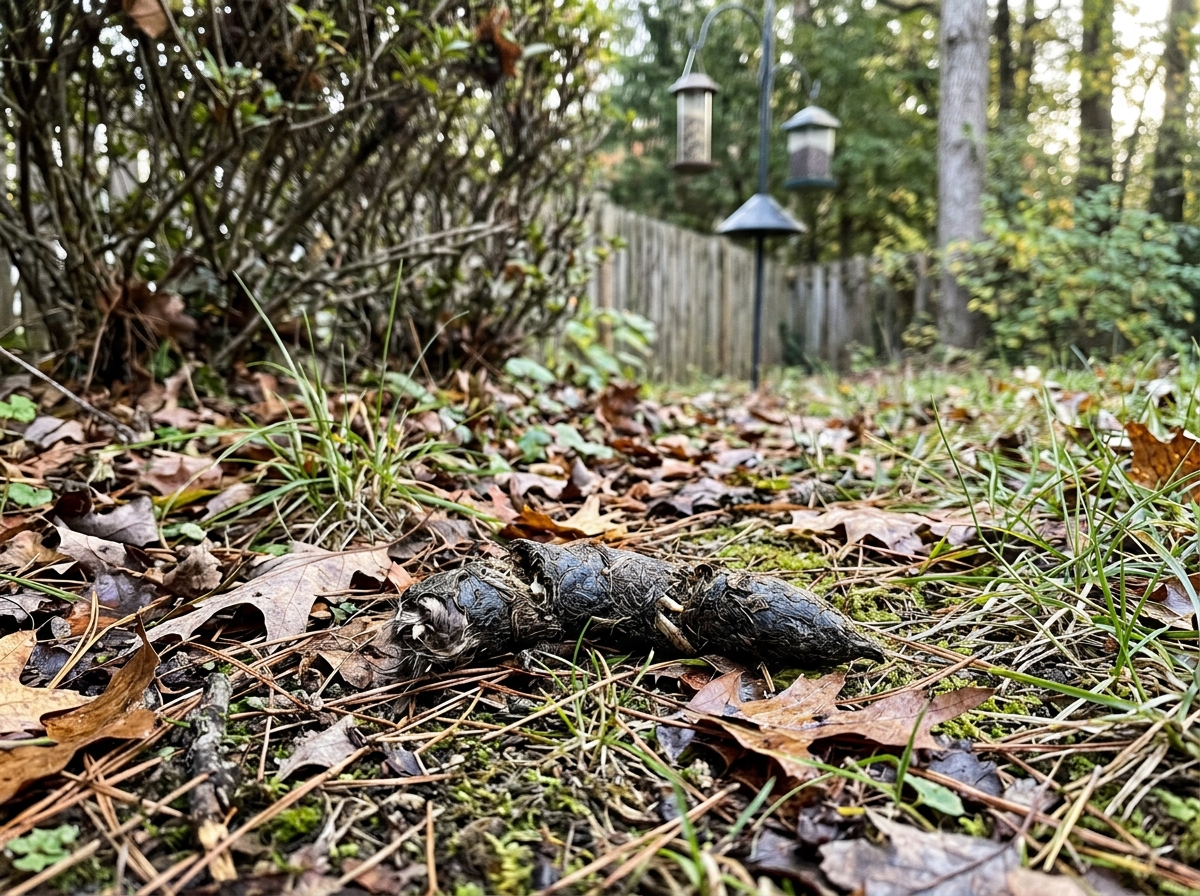
Fox paw prints are oval to diamond-shaped with visible claw impressions in front, and foxes tend to walk in a nearly straight line (a trotting gait that produces a tidy, almost single-file track pattern). Cat tracks are rounder and almost always lack claw marks because cats retract their claws. Dog tracks are wider and less tidy. Raccoon tracks show five fingers in a hand-like shape, which is hard to confuse with a fox. If you see small oval prints in a straight line near your feeder area, that is a strong fox indicator.
Scat
Fox scat is typically 3 to 4 inches long with pointed ends at both tips, which is a reliable distinguishing feature. It is narrower in diameter than dog droppings and often contains visible fur, hair, feathers, or even seed fragments depending on what the fox has been eating. The Loudoun Wildlife Conservancy notes those pointed ends as a key ID trait. Raccoon droppings are blunter and often found in latrine piles in the same spot repeatedly. Cat scat tends to be buried. If you find twisted, pointed droppings near your feeder with bits of fur or seed inside, a fox left them.
Timing and behavior
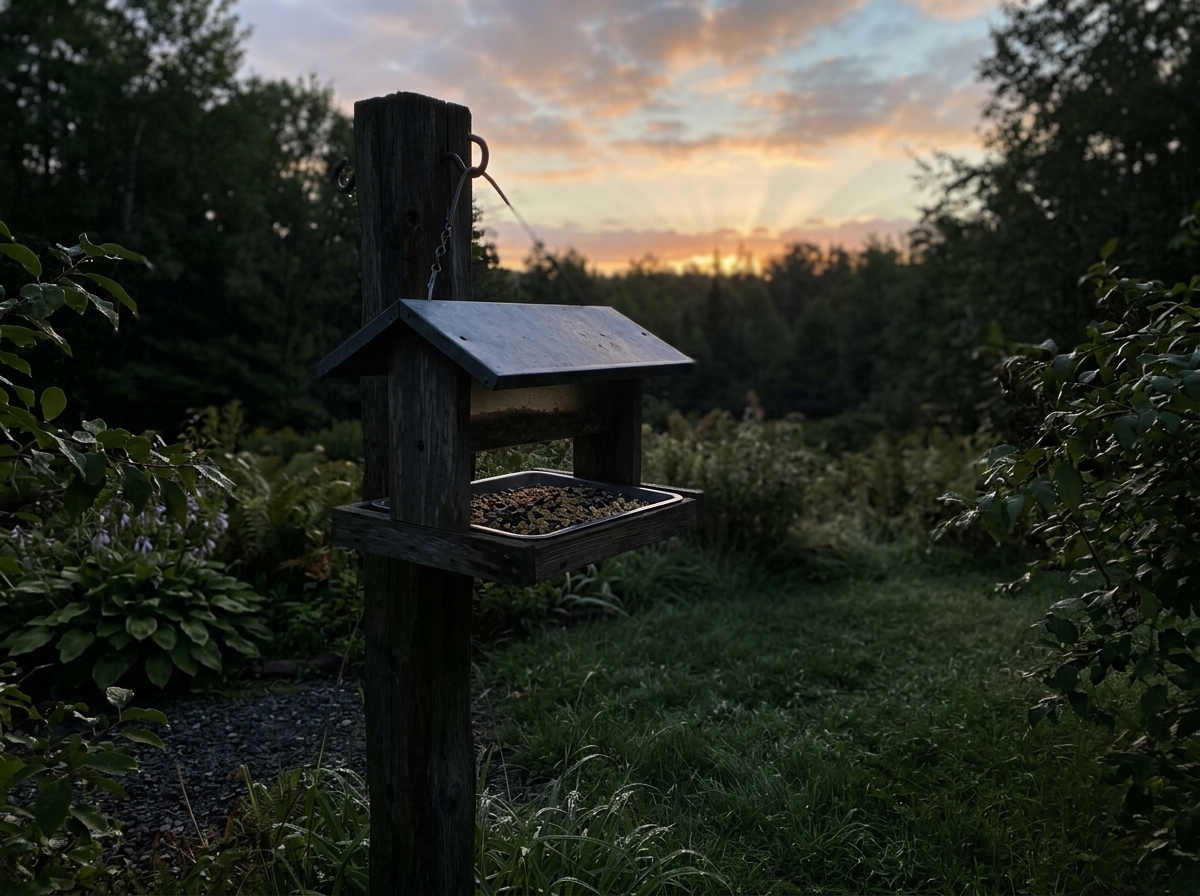
Foxes are crepuscular, meaning they are most active at dawn and dusk, though urban and suburban foxes will also move at night. Squirrels work exclusively during the day. If seed is disappearing overnight and you are not seeing daytime raids, you are likely dealing with a nocturnal or crepuscular visitor: fox, raccoon, opossum, or rat. A trail camera set at ground level near the feeder will confirm the species within a night or two and is worth the investment if you want to be certain before changing your setup.
How to stop foxes from raiding your seed
The goal is not to trap or harm the fox. It is to make your feeder area less rewarding so the fox stops prioritizing your yard. These steps work together, and the more of them you do, the faster the visits stop.
- Move feeders off the ground immediately. Pole-mounted feeders at least 5 feet high with a smooth metal baffle (at least 18 inches wide, mounted 4 to 5 feet up the pole) block climbing access for foxes and most other ground-level raiders. Squirrel baffles work for this purpose and are easy to source.
- Stop scattering seed on the ground. Ground scatter is the primary attraction. Use feeders with trays that catch fallen seed and keep it off the soil, or switch to no-mess seed blends with hulled sunflower and shelled peanuts that birds consume completely without dropping shells.
- Rake and remove fallen seed daily. Do not let seed accumulate under your feeder. A 5-minute cleanup each evening removes the easy meal foxes are counting on. Bag it and dispose of it rather than composting it near the yard.
- Bring feeders in at night if fox pressure is heavy. This is the simplest short-term fix. Hang feeders back out in the morning and take them inside at dusk until the fox moves on or you have a baffle system in place.
- Use motion-activated deterrents. A motion-activated sprinkler or light near the feeder area can interrupt a fox's routine and discourage repeated visits. These work best when combined with reducing available food.
- Secure your seed storage. Do not leave bags of seed in a shed or garage without a sealed container. Foxes and rodents can smell seed through packaging. Use a metal or hard plastic airtight container to prevent the scent from broadcasting outside.
Seed handling that makes the problem worse (and how to fix it)
Poor seed storage and management are often what tip a backyard from occasional fox sightings to regular visits. Wet seed, sprouted seed, and moldy seed all produce stronger odors and attract insects and rodents, which attract foxes. Here is what to watch for.
Storage basics
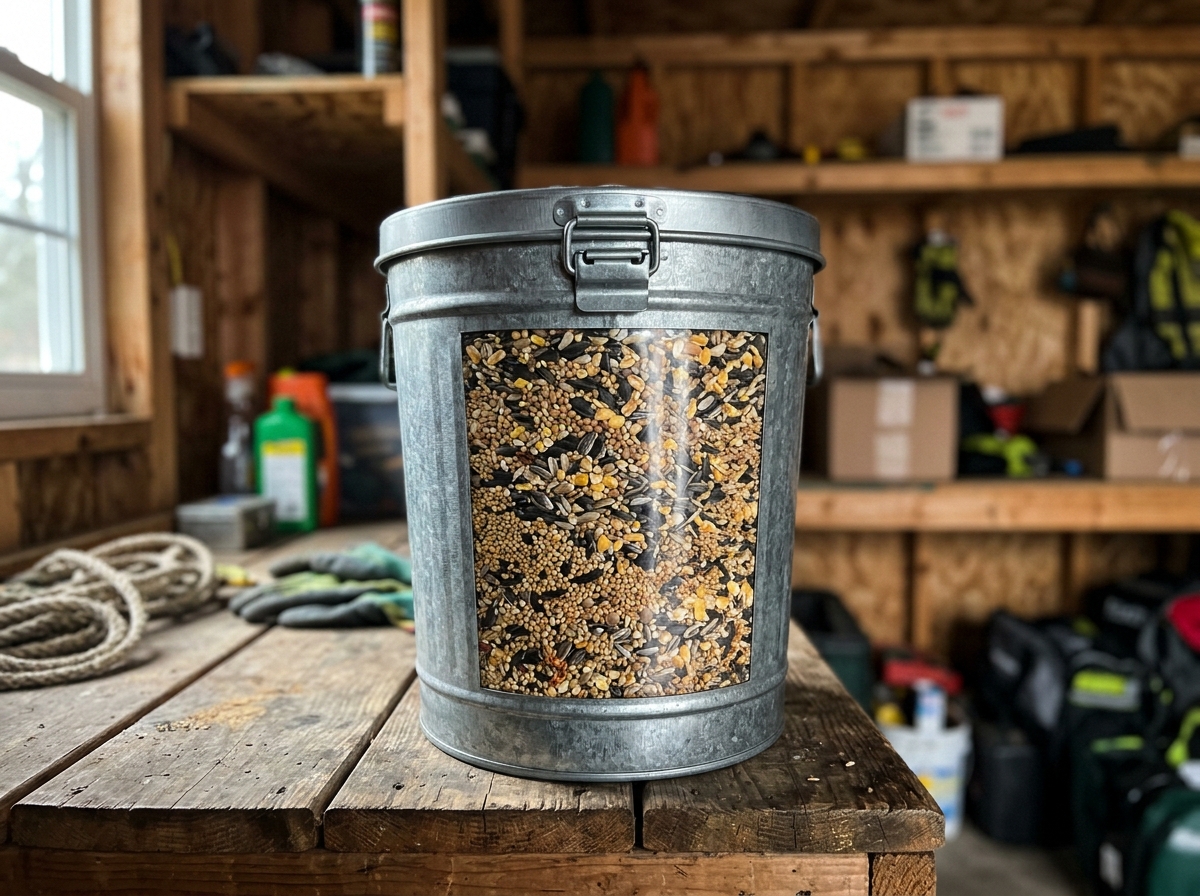
Store seed in a sealed, rigid container, metal is best, in a cool dry location. Seed left in a cloth bag or paper sack in a damp shed will absorb moisture and begin to mold within days in humid weather. Once seed smells musty or clumps together, it has begun to spoil. Discard clumped or discolored seed rather than putting it in the feeder. Most quality seed has a usable lifespan of about 6 to 12 months in proper storage, much less once exposed to moisture.
Wet and sprouted seed
Seed that gets rained on in an open tray or sits in a wet feeder can sprout within 48 to 72 hours in warm weather. Sprouted seed under a feeder creates a small garden of growth that keeps the area smelling like food indefinitely, drawing in insects, rodents, and eventually foxes. If you see seedlings growing under your feeder, that is a sign the cleanup schedule is not keeping up. Remove the sprouts, clear the soil or use a ground cloth that can be shaken out, and check whether your feeder has drainage holes that prevent pooling.
Mold prevention
Mold in a feeder is a health risk for birds and a scent magnet for wildlife. Clean tube feeders and platform feeders every one to two weeks during active use. The Audubon Society, citing National Wildlife Health Center guidance, recommends a 9:1 water-to-bleach solution for disinfecting feeders. Madrone Audubon recommends soaking in a 1:32 bleach-to-water solution for about 10 minutes, then scrubbing, rinsing thoroughly, and allowing the feeder to dry completely before refilling. Clemson HGIC also supports diluted bleach or hydrogen peroxide for this purpose. Never refill a damp feeder: wet seed molds fast and attracts exactly the wildlife you are trying to avoid.
Cleaning up after a fox visit
If a fox has been visiting regularly, there is likely seed debris, droppings, and general contamination in the feeder area. Here is how to handle it safely.
Ground seed and debris
Rake up all visible seed, shells, and organic debris from the ground beneath and around the feeder. Bag it in a sealed plastic bag and put it in the trash. Do not compost feeder debris if wildlife is a concern: the smell will persist and keep drawing animals back. After raking, you can pour a diluted bleach solution (about 1 part bleach to 32 parts water) over the ground area if you have concrete, a patio surface, or stepping stones under the feeder. On soil or grass, the main priority is physical removal.
Droppings
Fox droppings can carry parasites including roundworm (Toxocara) and in rare cases fox tapeworm, so treat them with basic precaution. Wear disposable gloves. Do not handle droppings directly. Use a plastic bag turned inside-out to pick them up, then seal and discard. Wash hands thoroughly after cleanup even if you used gloves. If there are droppings on a hard surface like a deck or walkway, clean the area with a disinfectant solution and rinse well. Avoid touching your face during cleanup.
Feeder disinfection after wildlife contact
If a fox has been pawing at a hanging feeder or a ground tray, clean it with the 9:1 water-to-bleach solution, scrub all surfaces, rinse fully, and dry before refilling. This also removes scent markers that can draw the fox back to the exact same spot. Replace the feeder if it is cracked or damaged in a way that traps debris.
Fox pressure changes by season and region
Where you live and what time of year it is both affect how serious the fox problem will be and what approach works best.
| Season / Region | What drives fox activity | Best adjustment |
|---|---|---|
| Winter (all regions) | Natural prey is harder to find; foxes actively seek easy calories. MassWildlife specifically flags winter bird feeding as a time when fallen seed draws foxes and coyotes. | Bring feeders in at night. Rake daily. Use a baffle system. Switch to no-mess hulled seed blends to cut ground scatter. |
| Spring (late winter to early spring) | Breeding season increases fox movement and boldness. Prey demand rises for nursing females. Gray foxes may be raiding for eggs or small prey near feeders. | Heighten vigilance in March through May. Increase cleanup frequency. Check for fox dens near the property. |
| Summer | Fox families disperse; juveniles explore new territories and may visit feeders out of curiosity. Natural food is more available so visits may decrease. | Maintain baffle and cleanup routines. Juvenile foxes are easier to deter with motion-activated deterrents. |
| Northeast and Midwest (cold winters) | Red fox dominates; winter pressure is highest. Ground seed under snow is still accessible and smells strongly. | Use elevated feeders only in winter. Consider a pause in feeding during peak fox season if deterrence is not working. |
| Southeast and Southwest (mild winters) | Gray fox is more common; year-round activity with less seasonal spike. Drought years push foxes closer to suburban areas. | Focus on ground scatter reduction year-round. Motion deterrents are effective in drier climates with predictable fox routes. |
| Pacific Northwest | Red and gray fox both present; wet winters cause seed to spoil fast, increasing scent and rodent attraction. | Check feeders for moisture daily in wet months. Use covered feeders. Elevate and baffle as standard practice. |
Today is late March 2026, which puts most of North America in peak fox breeding and dispersal season. This is the time of year when fox visits to feeders are most likely and most persistent. If you are dealing with a fox problem right now, treat it with some urgency: the habits a fox forms this spring can last through summer. Getting ground scatter under control this week matters more than at any other time of year.
When to call for professional help
Most fox-and-feeder conflicts resolve on their own within one to two weeks once you remove the food reward. But if a fox is showing no fear of humans, entering a garage or outbuilding to reach stored seed, behaving erratically (moving in circles, appearing disoriented), or if you have pets being threatened, contact your state wildlife agency. Do not attempt to trap or relocate a fox yourself unless you have the appropriate permits: most states prohibit it without authorization. Your state wildlife agency can provide guidance specific to your situation and region, and can advise on whether the animal's behavior raises any health concerns.
For most backyard bird feeders, the answer is much simpler: elevate the feeder, cut the ground scatter, clean up daily, and the fox will move on to easier territory. do bears eat bird seed
FAQ
If I stop putting out bird seed, will the fox keep coming anyway?
Often visits drop quickly, but not instantly. If the ground is still littered with seed shells, droppings, or sprouted seed under the feeder, the yard can stay attractive for days. Do a full cleanup (rake, remove debris, eliminate pooling, and remove sprouts) before you refill, and pause feeding for at least a week to break the routine.
Does elevating a feeder completely prevent do foxes eat bird seed raids?
Elevation helps a lot, but it is not foolproof if seed is spilling. Foxes will still hunt for dropped seed and mice attracted to the area. Use a tray design that prevents scatter, place a catch surface that you can clean daily, and keep the ground within several feet of the feeder free of debris.
What should I do if I have a ground feeder with scatter, and I want to keep feeding birds?
Switch to feeders that minimize ground waste, like covered feeders with small access ports, or use a seed type that is less likely to fall and spoil. If you keep any ground access, use a removable ground cloth or tray so you can shake and clean daily, and remove any damp seed within a few hours after rain.
How can I tell whether it is a fox or just squirrels or crows causing the missing seed?
Look at timing and the pattern of activity. Squirrels mainly feed in daylight, while foxes are most active around dawn and dusk. Also check tracks near the feeder: fox tracks often show a near-straight trotting line, while birds typically leave scattered debris without a consistent running track pattern of paw marks.
Are certain bird seed types more likely to attract foxes?
Yes. Mixed seed and cracked corn on the ground are easy calories, and any seed that gets wet or clumps quickly becomes an odor magnet. Using a feeder that reduces spillage and refusing to refill with damp seed is usually more effective than changing seed brand alone.
Will using deterrent sprays stop a fox from raiding my feeder?
Deterrent products usually work only temporarily, because the fox is targeting the hunting opportunity created by prey attracted to seed scatter. The most reliable approach is removing the reward: daily cleanup, eliminating sprouted or moldy seed, and reducing ground access. If you use sprays, treat them as a short-term layer, not the main solution.
Is it safe to clean up after a fox at my feeder, especially if I have kids or pets?
Wait until the area is fully cleaned and disinfected, and keep people and pets away during cleanup. Wear disposable gloves, bag droppings and seed debris, and wash hands thoroughly afterward. Avoid sweeping that can aerosolize dust or feathers and wash outdoor footwear after you are done.
Can foxes transmit rabies or other diseases from visiting a yard?
Foxes can carry parasites, and the article notes roundworm and rare tapeworm concerns through feces, so treat droppings as a biohazard. Rabies risk is generally low but cannot be assumed to be zero. If a fox is acting unusually tame or disoriented, keep distance and contact your local wildlife or animal control for guidance.
Should I use a trail camera, and where exactly should I place it?
Yes, it can confirm the visitor before you change your setup. Place it low to the ground near the feeder area, angled so it captures the approach path, and secure it from being knocked over. Use motion and night capability settings, and review clips to distinguish foxes from nocturnal competitors.
If I see fox tracks and scat, does that mean there is always a fox in my yard?
Not necessarily. Foxes may pass through and hunt intermittently, but consistent return usually indicates reliable food cues, like ongoing seed spill, sprouted seed, or rodent activity. If you remove the reward promptly and keep the area clean, most yards see a noticeable drop in visits within one to two weeks.
Next Article
Will Skunks Eat Bird Seed? How to Stop Visits
Do skunks eat bird seed? Learn why they visit, spot signs, and stop it with feeder, cleanup, and storage fixes.