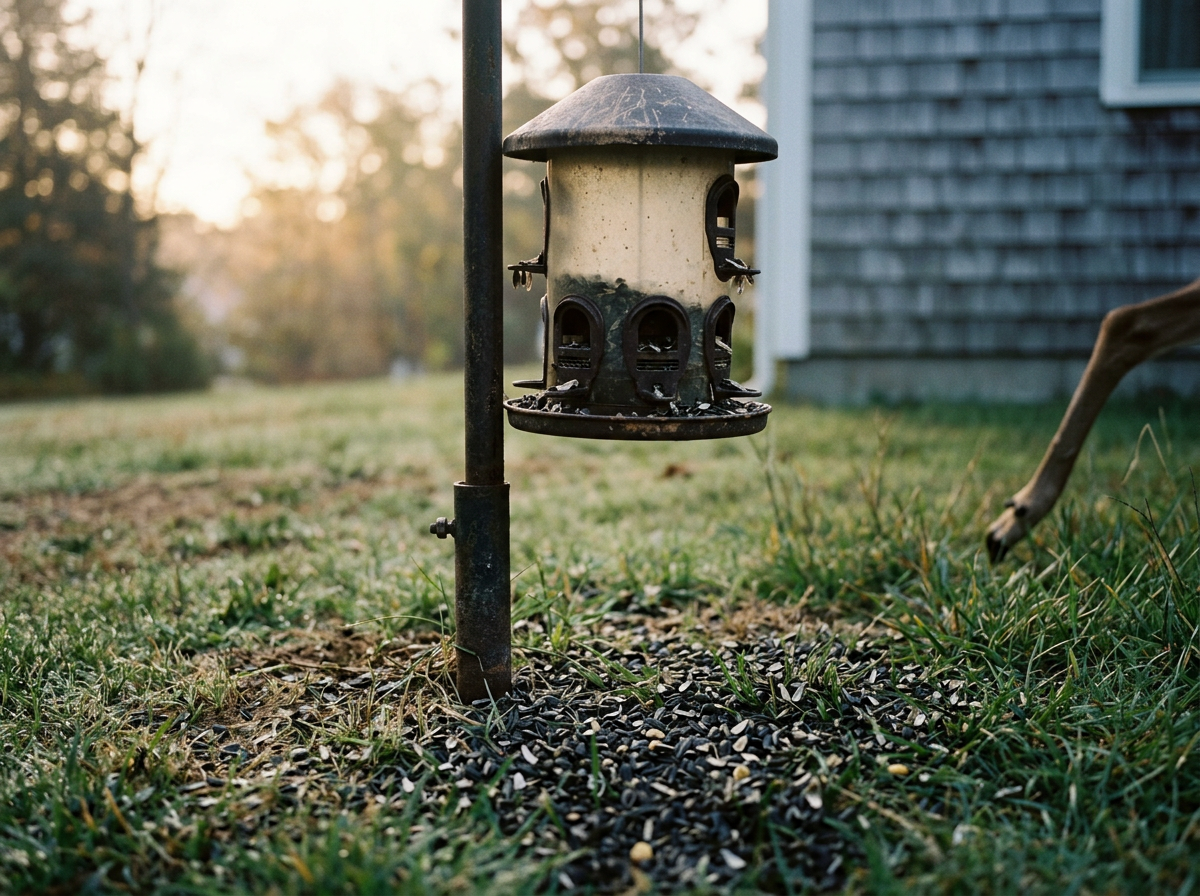
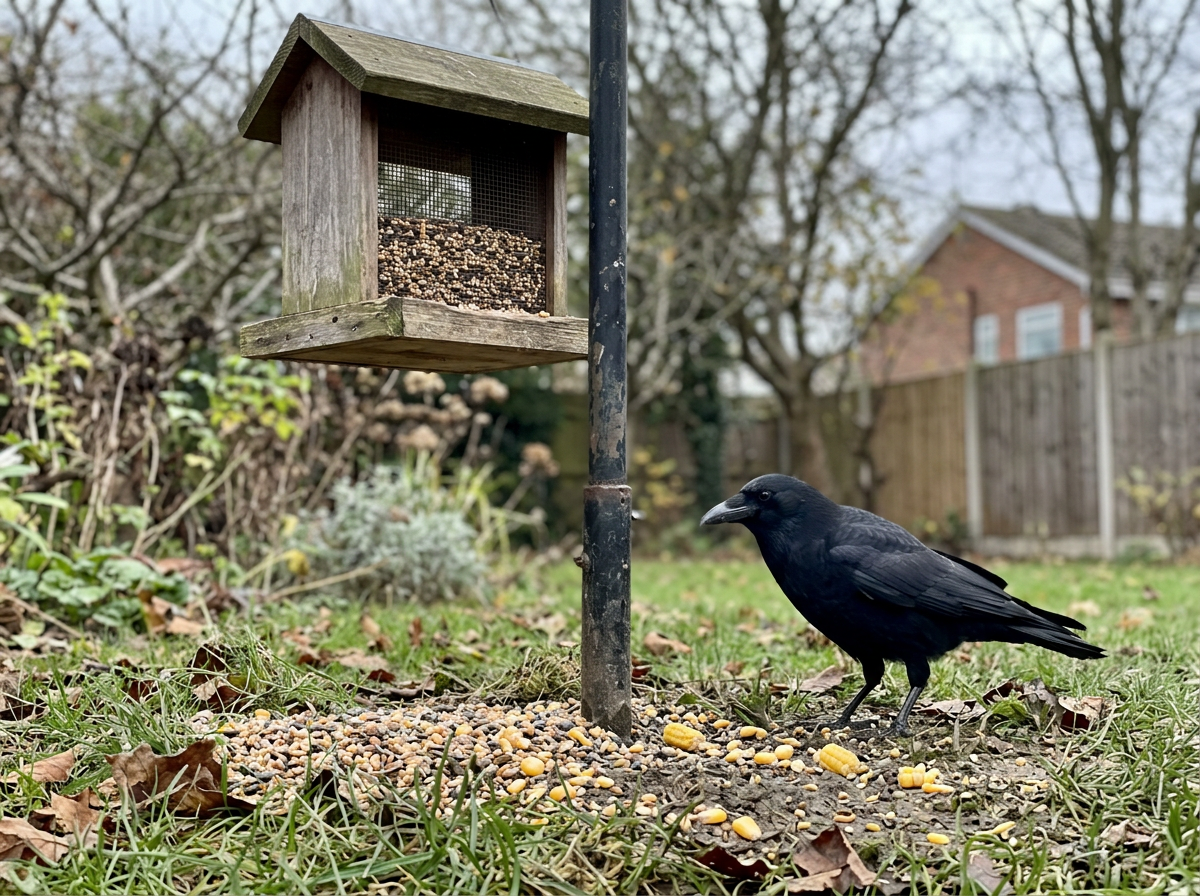
Yes, crows absolutely will eat bird seed, and they can handle almost every common seed type you put out. American crows are true omnivores, meaning seed and grain are a natural and regular part of their diet alongside insects, carrion, fruit, and whatever else they can find. If crows are showing up at your feeders, that is not a fluke or a rare behavior. It is exactly what you would expect from one of the most adaptable birds in North America.
Do Crows Eat Bird Seed? What to Do Right Now

Maya Collins
23 Mar 2026
Which seeds crows will go after first
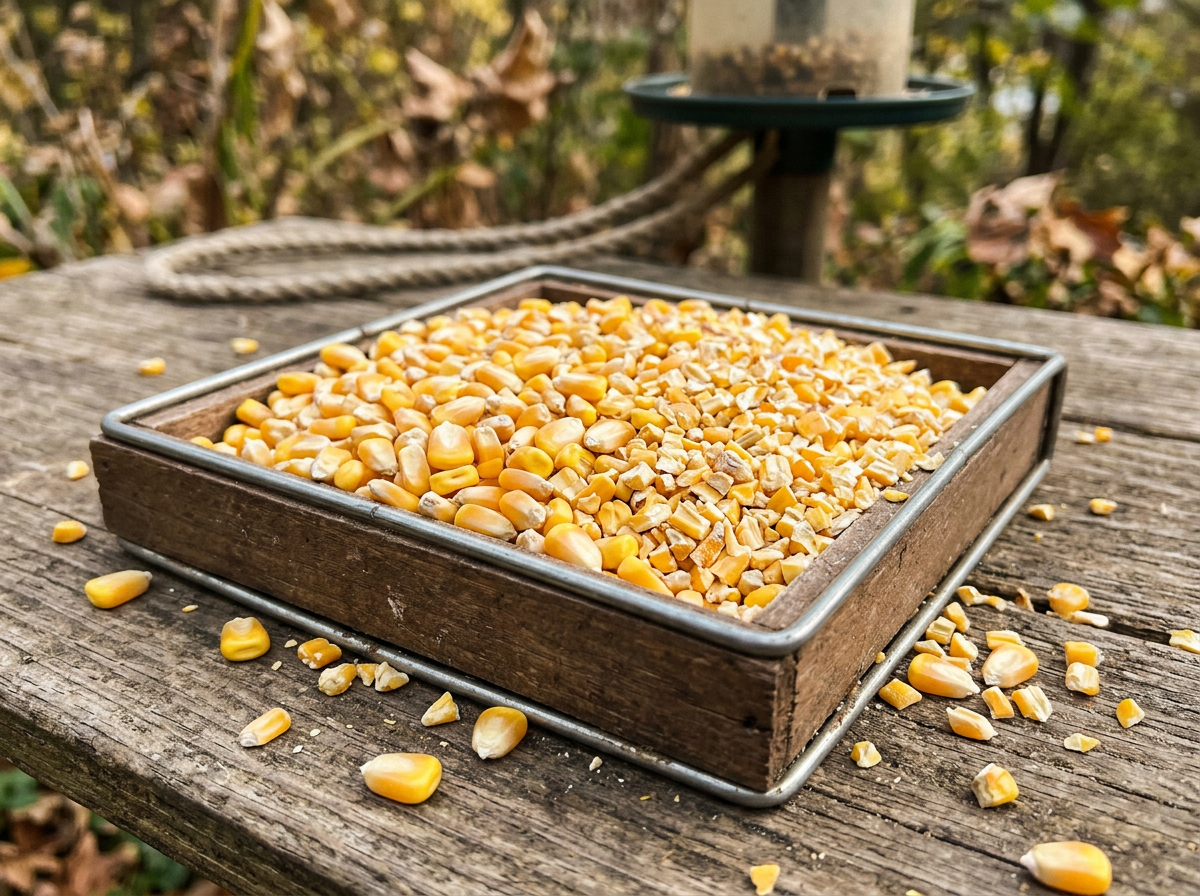
Crows are not picky, but they do have clear preferences. They are drawn to calorie-dense, easy-to-handle seeds and grains. In autumn and winter especially, their diet shifts heavily toward nuts, acorns, and large seeds, so anything in that category disappears fast.
- Whole corn and cracked corn: crows love it and can eat a lot of it quickly
- Sunflower seeds (black oil and striped): both are targeted, but crows can handle the larger striped variety that smaller songbirds struggle with
- Peanuts in shell or out of shell: very high value to crows, often taken and cached for later
- Safflower seeds: crows will eat them but tend to go for easier options first
- Milo and millet: eaten but not a top draw; expect more sparrows and doves to compete here
- Nyjer/thistle: generally ignored by crows since the seeds are too small to be worth the effort
The practical takeaway here is that if your mix contains corn, sunflower, or peanuts, you are running a crow magnet. Blends heavy on millet or nyjer are far less interesting to them. Knowing this lets you adjust your seed selection before anything else.
Is it actually crows, or something else?
Fast seed depletion does not automatically mean crows. Squirrels, blue jays, and large flocks of house sparrows or starlings can drain a feeder just as quickly. Before you make any changes, confirm what you are actually dealing with.
Signs that point to crows specifically
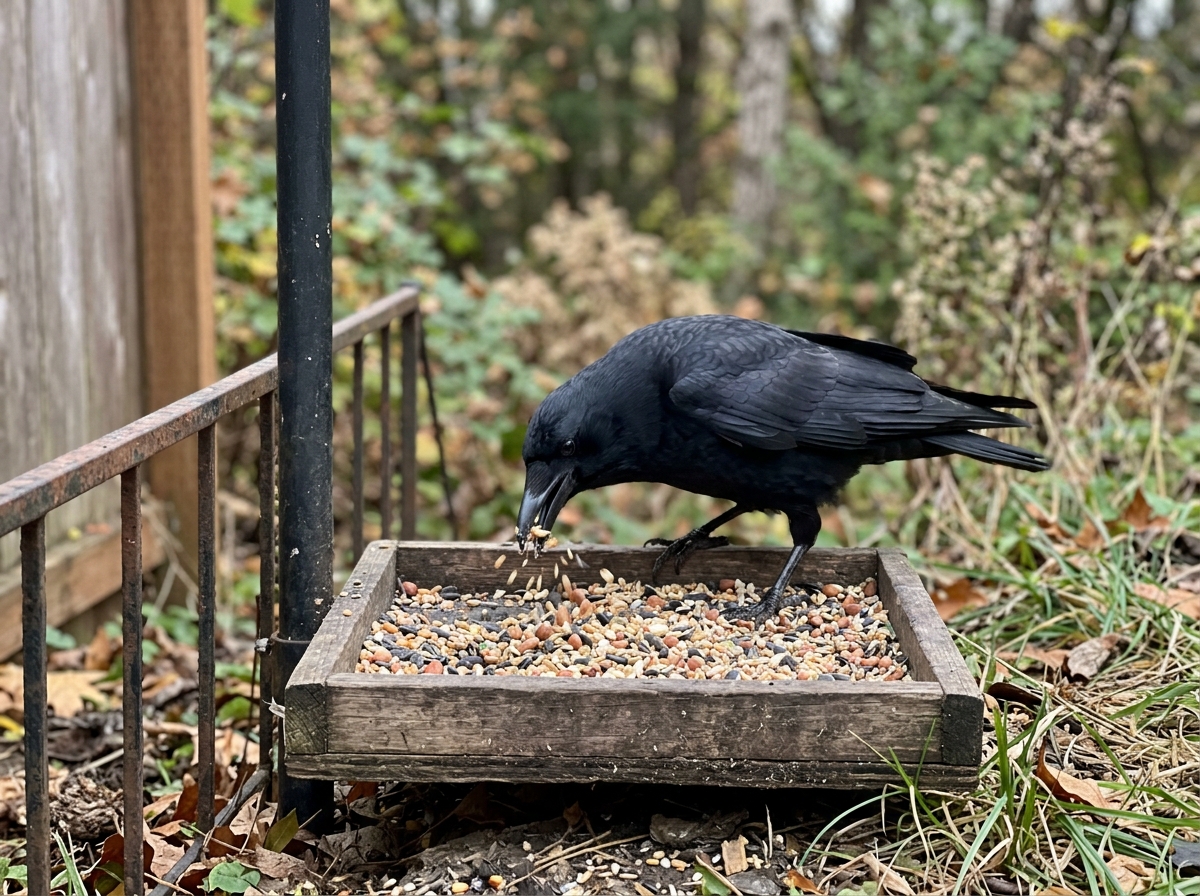
- You see large, all-black birds around 17 to 21 inches long (noticeably bigger than jays or starlings) with a heavy, straight bill
- Seed disappears in short bursts, often in the morning, with groups of 3 to 10 or more birds landing together
- Ground feeders or open trays are hit hardest; tube feeders with small ports are left mostly alone
- You find large quantities of seed shells or whole seeds scattered and cached nearby (crows cache food regularly)
- Loud, repeated cawing before and during feeding visits
- Droppings are larger than typical songbird droppings and found in obvious clusters near feeding areas
How to tell crows from squirrels or other birds
| Raider | Feeding time | Feeder type targeted | Key giveaway |
|---|---|---|---|
| Crows | Early morning, often in groups | Open trays, platform feeders, ground | Cawing, large black birds, caching behavior |
| Squirrels | All day, solo or pairs | Any feeder they can reach | Chewed plastic, clinging and hanging on feeder |
| Blue jays | Sporadic throughout day | Platform feeders, sunflower tube feeders | Blue and white coloring, loud screech calls |
| Starlings | Morning flocks | Open platform feeders, suet cages | Speckled plumage, murmuration-style arrival |
| House sparrows | All day, large flocks | Any feeder | Small brown birds, constant chatter |
If you are still unsure, set up a phone or camera to record the feeder for a morning. A 30-minute clip in the first two hours after sunrise will usually tell you everything you need to know.
How to keep crows away from your bird seed
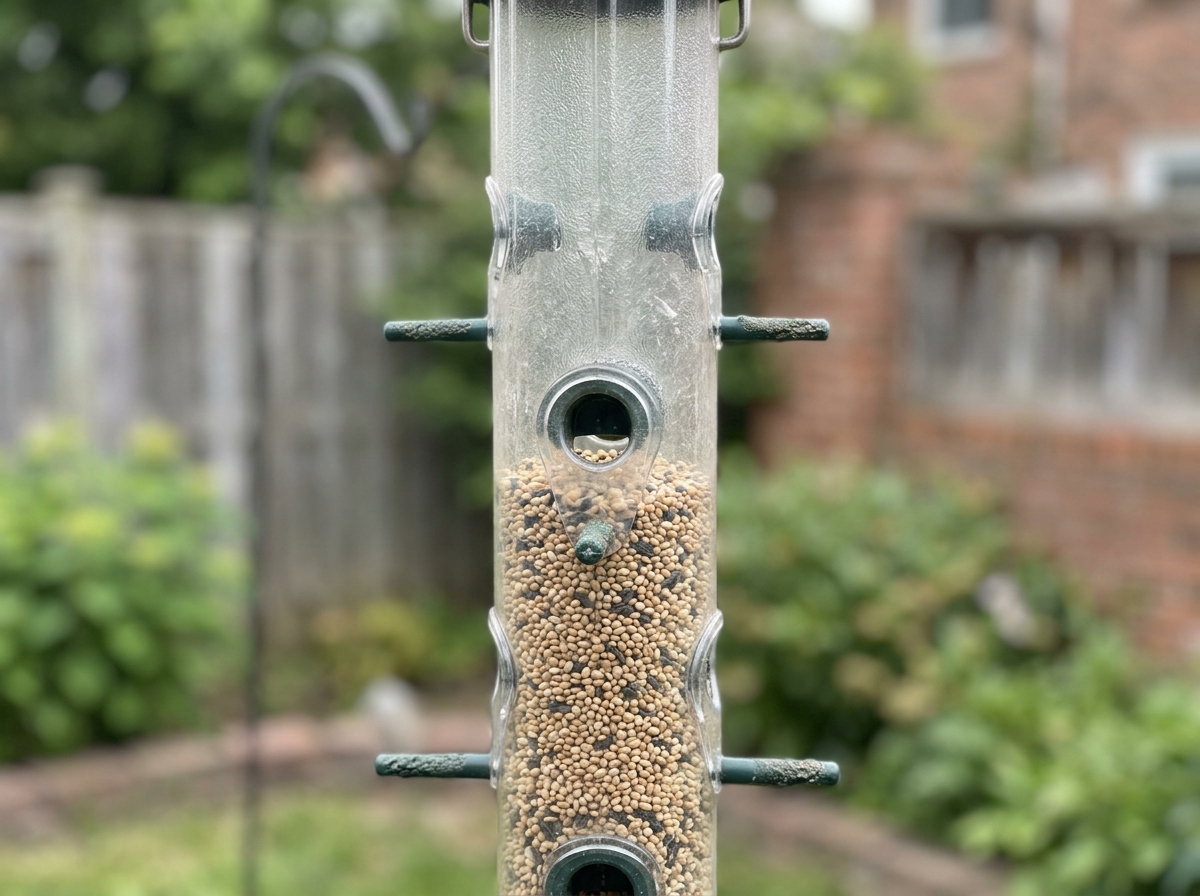
The good news is that crows are large birds with specific physical limitations. You can exclude them from most feeders without affecting the smaller songbirds you actually want to attract. Here is what works, in order of effectiveness.
Switch to crow-proof feeder designs
Crows need a sturdy landing platform and enough space to stand and eat. A tube feeder with short or no perches and ports no wider than 3/8 inch will physically prevent them from feeding. Weight-sensitive feeders that close under pressure above a set threshold (typically around 1.5 oz) are also effective, since a crow weighs roughly 12 to 20 oz and will trigger the closure immediately. Caged feeders with a wire grid opening of 1.5 inches or less keep crows out while letting chickadees, finches, and sparrows through.
Change what seed you offer
Remove corn, peanuts, and mixed seed with large components from your rotation if crows are a problem. Switching entirely to nyjer seed in a finch feeder eliminates crow interest almost completely. If you want to keep sunflower seeds, use hulled chips in a tube feeder with small ports rather than whole black oil sunflower in an open tray.
Adjust your feeding schedule
If you fill feeders in the mid-morning after typical crow activity peaks, smaller birds still benefit while crows move on. You can also bring feeders in at dusk and put them back out mid-morning to skip the early crow rush entirely. This also reduces overnight rodent access, which is a bonus. You can also bring feeders in at dusk and put them back out mid-morning to skip the early crow rush entirely. If you fill feeders in the mid-morning after typical crow activity peaks, smaller birds still benefit while crows move on. You can also bring feeders in at dusk and put them back out mid-morning to skip the early crow rush entirely. This also reduces overnight rodent access, which is a bonus. You can also bring feeders in at dusk and put them back out mid-morning to skip the early crow rush entirely. do bats eat bird seed This also reduces overnight rodent access, which is a bonus. do hawks eat bird seed do bats eat bird seed do blue jays eat bird seed do hawks eat bird seed do bats eat bird seed
Eliminate ground feeding opportunities
Crows are very comfortable on the ground and will clean up any fallen seed. Stop scattering seed on the ground entirely. Keep the area under your feeders swept clean daily. USDA APHIS Wildlife Services is clear on this point: letting bird food accumulate on the ground is one of the fastest ways to attract wildlife you did not intend to invite, including crows, rodents, and predators that follow them.
Use visual deterrents strategically
Crows are intelligent and will habituate quickly to static decoys. Reflective tape or metallic streamers near feeders can buy you a week or two of deterrence. Moving objects, like wind-activated pinwheels, tend to work longer. Realistic owl decoys work briefly but crows will figure out a plastic owl is fake within a few days. Your best deterrent is feeder design, not scare tactics.
If you actually want to feed crows
Plenty of people enjoy crows and want to attract them intentionally. They are genuinely fascinating birds and watching them problem-solve at a feeder is worth it. But feeding them responsibly means paying close attention to hygiene and setup, because crows eat a lot, create significant mess, and can draw in secondary wildlife.
What to offer and where
- Use a dedicated platform or tray feeder placed away from your songbird feeders, ideally 20 to 30 feet away
- Offer unsalted peanuts, whole corn, or cracked corn in amounts you can clear out in a single morning feeding session
- Do not put out more than crows can consume in 20 to 30 minutes; leftover food sitting in a tray will go stale, get wet, and attract rodents
- Place the feeder in an open area where crows feel safe enough to land (they are cautious birds and prefer visibility around them)
Health and hygiene basics
The U.S. Fish and Wildlife Service notes that bird feeders are not risk-free and that feeding can spread disease and produce leftover food mess. With crows specifically, the volume of food they move through a feeder and the size of their droppings make hygiene a real issue. Wash any tray or platform feeder weekly with a 10 percent bleach solution (roughly 1 part bleach to 9 parts water), rinse thoroughly, and let it dry completely before refilling. Wear gloves when doing this. Do not let wet seed sit in the tray for more than a few hours.
Managing the social effect
Be aware that crows recruit other crows. What starts as two or three birds can turn into a group of 15 in a matter of days if you are consistent. MassWildlife-aligned guidance warns that feeding can attract far more wildlife than expected and create dependency. If the flock gets larger than you want to host, stop feeding for one to two weeks. Crows have good memories but they will shift their foraging territory if the food source disappears long enough.
Keeping your seed area clean and mold-free when crows are around
Crows eat fast and scatter a lot. That combination of speed, large portions, and physical size means more hulls, more wet seed exposure, and faster buildup of organic debris under feeders. Left alone, that debris becomes a mold and pest problem quickly.
Daily cleanup routine
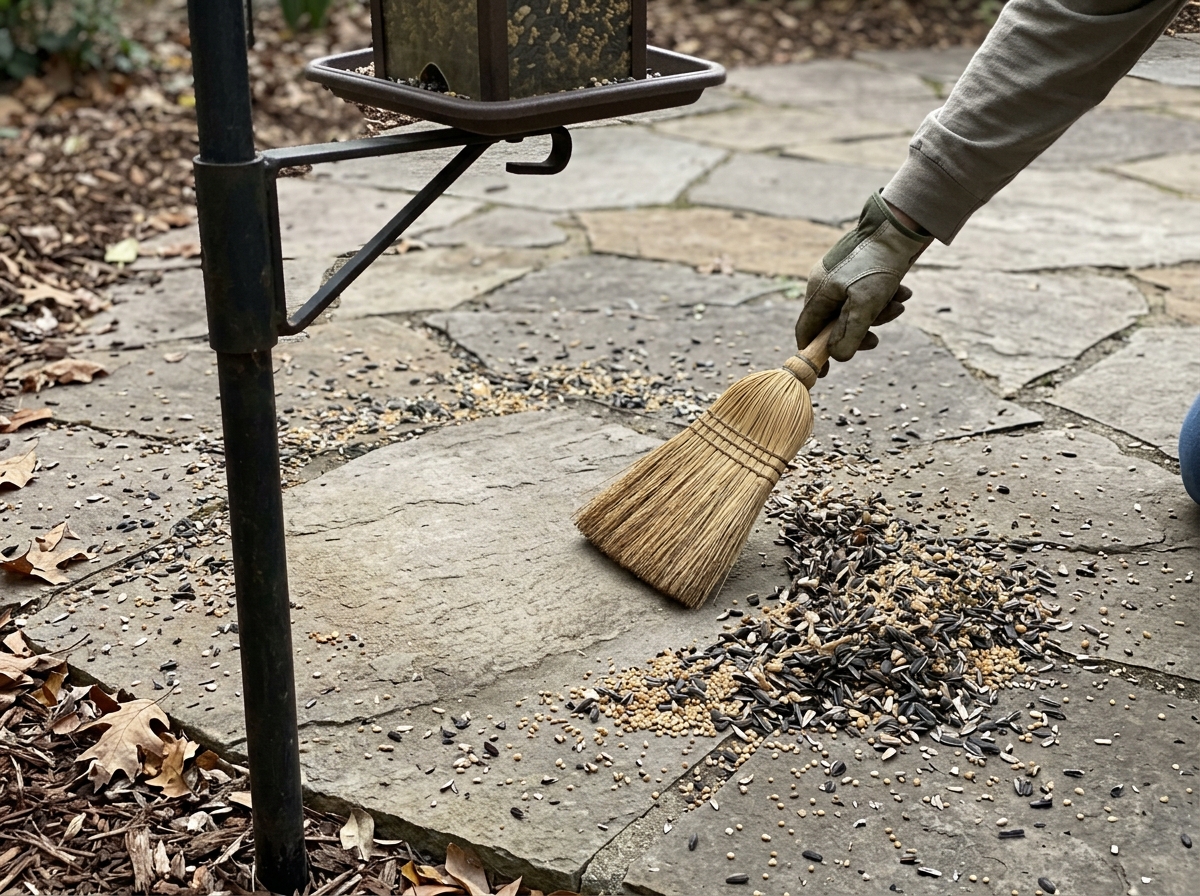
- After each morning feeding session, remove any uneaten seed from trays immediately. Do not leave it to sit.
- Sweep or rake fallen seed and hulls from the ground beneath feeders. A leaf blower works well for larger areas.
- Check for wet or clumped seed anywhere in the feeder or on the ground. Wet seed can grow mold within 24 to 48 hours in warm weather and should be discarded, not dried and reused.
- Bag discarded seed and take it to an outdoor bin. Do not compost moldy seed.
- Wipe down any surfaces where crows perched or landed to reduce fecal contamination near the feeder.
Seed storage to prevent spoilage
Store your seed in a sealed, airtight container, preferably a metal bin or heavy-duty plastic with a locking lid to keep rodents out. Keep it in a cool, dry location out of direct sunlight. Seed stored correctly in those conditions stays fresh for up to six months for most varieties. Do not buy more seed than you can use in six to eight weeks during active feeding seasons. Check the bottom of the bin regularly for moisture, clumping, or off smell, all of which signal spoilage.
Watching for mold and aflatoxin risk
Moldy seed is not just unpleasant. It can carry aflatoxins, which are toxic to birds and other wildlife. This is a documented health risk in the context of wildlife feeding and is one of the reasons hygiene matters so much. If you see black, green, or gray fuzzy growth on seed, or the seed smells musty or sour, throw it all out. Do not try to salvage part of the batch. Clean the container with a bleach solution before refilling.
Preventing secondary pest problems
Crows bring activity and noise, which attracts attention from other wildlife. Ground-level food scraps draw mice and rats quickly. Make sure your feeder pole has a squirrel and rodent baffle installed, at least 18 inches wide and positioned 4 to 5 feet off the ground. If you are seeing rodent evidence (droppings, chewed feeder parts, or tunneling near the base of your feeder area), stop feeding for at least two weeks and do a thorough cleanup before resuming.
Crows are smart, adaptable birds, and managing them around your feeders is mostly about setup and consistency. Whether you want to exclude them or welcome them in, the approach is straightforward: control what seed you offer, use the right feeder design, and keep the feeding area clean on a daily schedule. Do those three things and you are ahead of most of the common problems people run into when crows discover their backyard.
FAQ
Will crows eat any type of bird seed, including suet or mealworms?
Yes, crows will sample many feeder foods beyond seed, including suet and high-protein offerings like mealworms. If you are trying to prevent them, treat these as “crow magnet” foods too, use small-port tube feeders, and avoid open trays where crows can grab and scatter food easily.
How do I tell if crows are the ones draining the feeder, not jays or squirrels?
Look for clue patterns. Crows tend to leave behind mostly hulls and larger seed pieces near the landing spot, while squirrels often leave gnawed fragments and stash caches nearby. If you cannot watch in real time, check the exact time of disappearance and whether there are multiple landing locations around the yard.
Can I keep crows away but still feed smaller songbirds like finches and chickadees?
Often yes, if you combine feeder restrictions with seed choice. Use feeders with small openings and limited perching, then switch to seed types less attractive to crows, like nyjer for finches in finch-specific feeders. Avoid mixed blends with large components.
Do weight-sensitive or pressure-closing feeders work reliably for crows?
They usually work well because crows are heavy enough to trigger closures, but reliability depends on proper calibration and a feeder that is not loose or wobbling. After installation, test with the actual feeder full weight and watch for attempts where crows try to grab seed from ports before closure engages.
Why are there more crows after I stop feeding, or why does the flock return later?
Crows can recruit others quickly, and they also remember where food was available. If you stop, the birds may linger until they realize the source is gone. Give it at least one to two weeks before expecting them to shift away, and remove leftover seed so they do not find scraps.
Is it safe to leave bird seed outside overnight, especially if it gets damp?
Damp conditions increase mold growth risk and can lead to faster seed spoilage and disease spread. If seed or tray contents get wet, remove what is wet promptly, clean the feeder area, and let everything dry fully before refilling.
What should I do if I notice moldy seed or a musty smell?
Discard the entire batch, do not try to salvage part of it. Clean the container and any feeder surfaces with a bleach solution, rinse thoroughly, and inspect for moisture in storage since mold often comes from humidity or a poorly sealed bin.
How often should I clean feeders to reduce disease and mess from crows?
For active feeder stations, plan on weekly cleaning at minimum, with faster attention if you see wet seed buildup or visible droppings. Wash tray or platform areas thoroughly, rinse well, and dry completely so you do not trap moisture that encourages mold.
Will using decoys like owl figures or reflective tape eventually stop working?
Static decoys usually lose effectiveness as crows habituate. Reflective tape or metallic streamers can help initially, but you get better long-term results with movement, and you should reposition deterrents periodically rather than leaving the same setup unchanged for weeks.
What is the best way to store seed so crows and rodents do not spoil it?
Use an airtight, rodent-resistant container (metal bin or heavy-duty locking plastic), stored cool and dry out of direct sun. Check for moisture and clumping, and do not overbuy, during high season aim to use seed in roughly six to eight weeks to reduce the chance it sits too long.
Next Article
Do Deer Eat Bird Seed? How to Stop Seed Theft Fast
Do deer eat bird seed from feeders? Stop seed theft fast with exclusion, placement, and seed-protection tips.