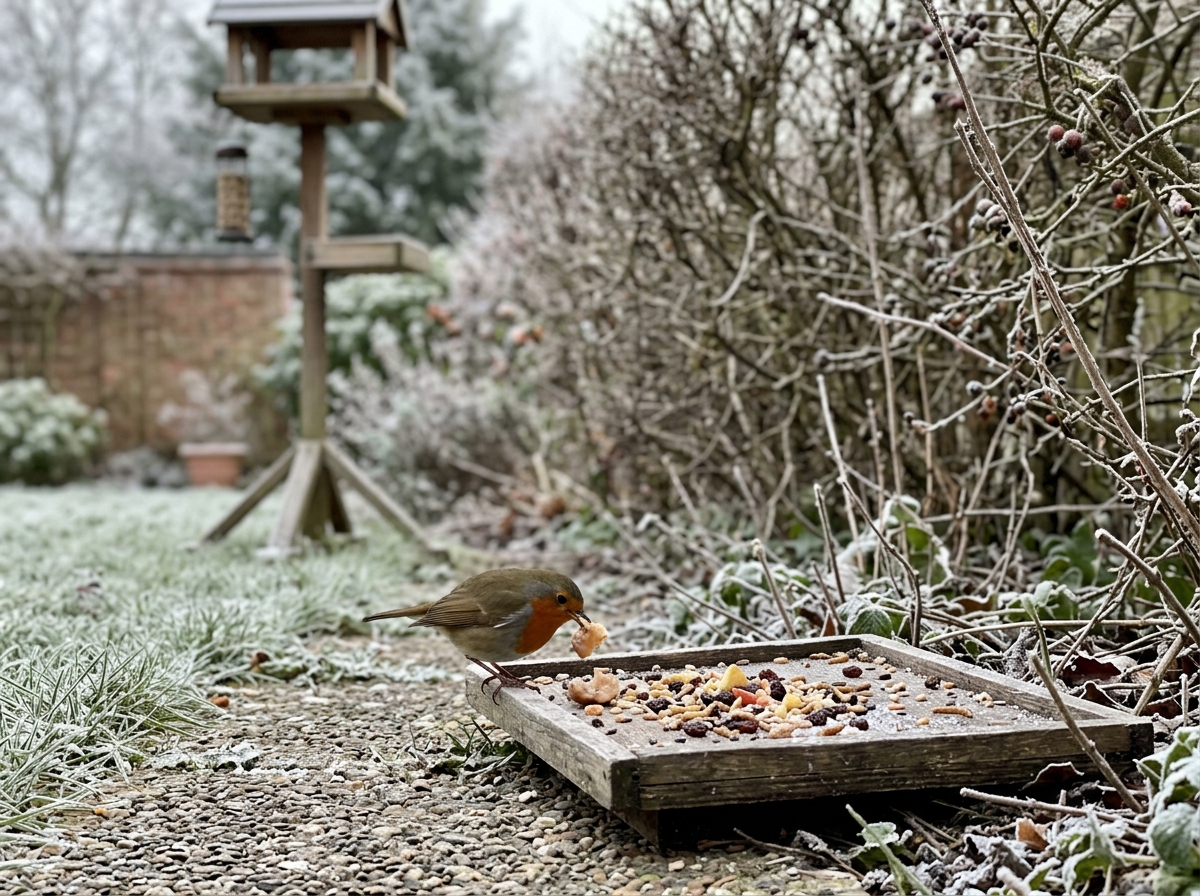
No, hawks do not eat bird seed. Do blue jays eat bird seed? They are strict carnivores, and bird seed holds zero nutritional interest for them. do blue jays eat bird seed If a hawk is hanging around your feeders, it is not there for the sunflower seeds or the millet. It is there because your feeders have turned your yard into a reliable hunting ground, concentrating exactly the kind of small birds and mammals that hawks eat every day. do bats eat bird seed
Do Hawks Eat Bird Seed? What to Do at Your Feeder Now

Maya Collins
23 Mar 2026
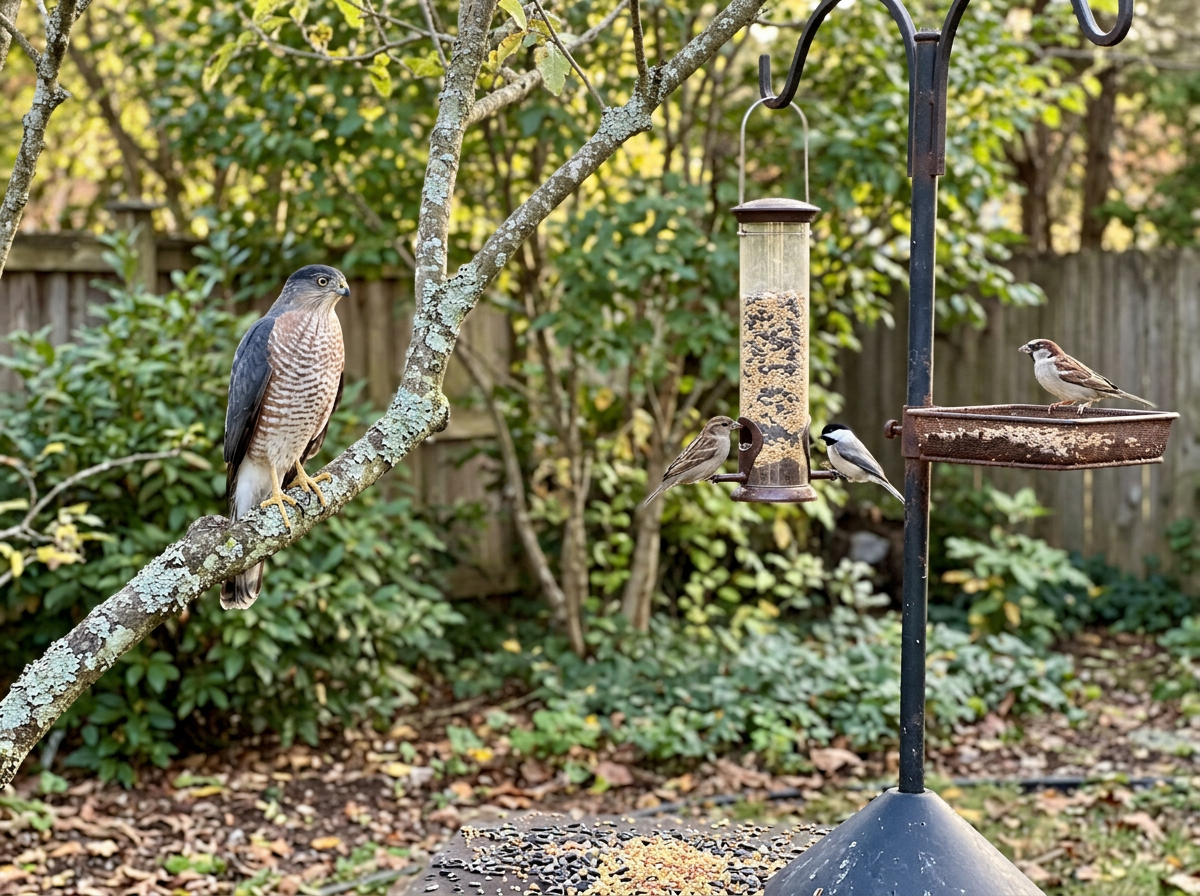
Why hawks show up near feeders (and what they actually want)
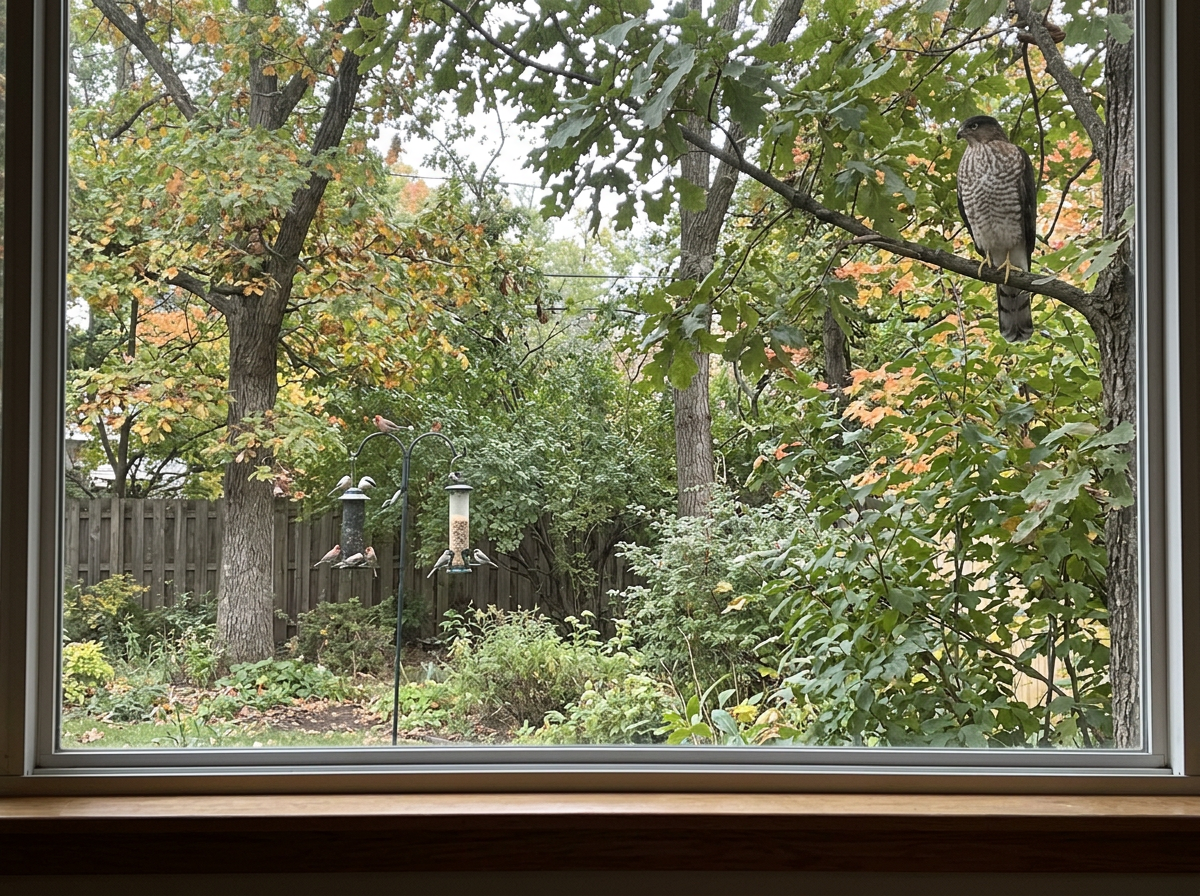
Hawks are predators, and their diets reflect that completely. Common backyard species like the Cooper's Hawk and Sharp-shinned Hawk feed almost entirely on small birds and small mammals. Red-tailed Hawks, the big broad-winged ones you might see perched on a fence post, eat mice, voles, rats, rabbits, squirrels, and sometimes carrion. None of these are things you are putting in your feeder.
The reason hawks appear near feeders comes down to prey concentration. When you put out seed, you attract house sparrows, finches, juncos, doves, and other small birds. Those birds cluster in one predictable spot, often at the same times each day. For an Accipiter hawk like a Cooper's or Sharp-shinned, that is an easy hunting opportunity. They hunt by stealth, moving through dense cover and then pouncing. A feeder with a dozen small birds sitting in the open nearby is exactly the kind of setup they exploit. FeederWatch data covering more than 1,800 predator/prey interactions between 2015 and 2022 confirms this pattern is real and common, and both Cooper's and Sharp-shinned Hawks are appearing around feeder areas more frequently than they used to.
A Cooper's Hawk eats roughly 12% of its body weight per day, so when prey is concentrated and reliable, it will keep returning to the same spot. That is why, once a hawk discovers your feeders, it often becomes a regular visitor for days or weeks at a time.
Bird seed vs. prey: what hawks actually take from your yard
It is worth being precise about this because the distinction matters for how you respond. Hawks are not eating your seed, and they are not stealing from your feeders in the way squirrels do. They are hunting the birds that your feeders attracted. The seed is the indirect cause, not the direct attraction.
This also means that fixing your seed storage, cleaning up spilled hulls, or switching seed types will not directly deter a hawk. What matters is the prey. If your feeders are pulling in large numbers of small birds in a predictable, exposed location, hawks will find it. Ground-feeding setups and heavy seed spill around the base of feeders make this worse, because spilled seed draws more prey animals into the open where they are easy targets.
Red-tailed Hawks are the least likely culprits at the feeder itself because they generally do not frequent bird feeding stations. If you see a large hawk nearby, it is more likely hunting rodents in the surrounding lawn or garden rather than targeting your feeder birds. Cooper's and Sharp-shinned Hawks are the ones most closely associated with feeder-area predation.
How to figure out what is actually visiting your yard
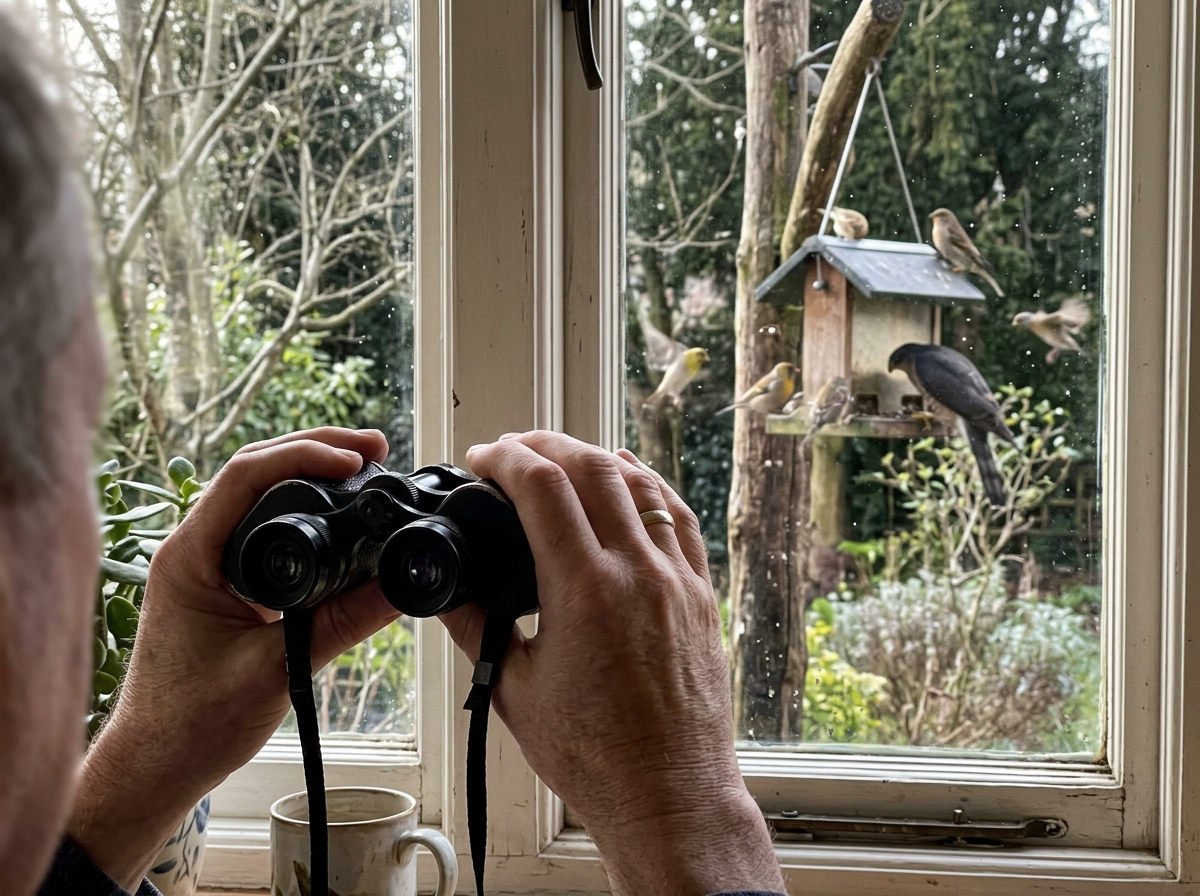
Before you make any changes, spend five to ten minutes observing what is actually happening. A lot of people assume a hawk is eating their seed when they see it near the feeder, and that misdiagnosis leads to unhelpful fixes. Here is a quick check you can do today.
- Watch from indoors for 10 minutes without disturbing the yard. Note what species are at the feeder and where they land after feeding.
- Look for signs of a hawk strike: a pile of feathers on the ground (not just scattered hulls), a sudden scatter of all feeder birds at once, or a hawk perched nearby with prey in its talons.
- Check the ground under and around the feeder. Seed hulls and droppings are normal. Feathers, bone fragments, or carcass remains point to predation.
- Note the time of day. Hawks tend to hunt in the morning and late afternoon when prey birds are most active at feeders.
- Look at hawk size and shape. Cooper's and Sharp-shinned Hawks are medium-sized with long tails and rounded or squared-off tail tips. They fly with a flap-flap-glide pattern. Red-tailed Hawks are much larger with broad, rounded wings.
- If you are unsure whether your seed loss is from hawks or other wildlife, check for rodent tracks or droppings near the feeder base, which would point to a different problem entirely.
FeederWatch citizen-science data can help you calibrate expectations for your region and season. Accipiter hawk sightings at feeders are more common in winter when prey birds concentrate at food sources and natural cover is reduced. If you are in the northern US or Canada and it is late fall or winter, that timing alone suggests the hawk is almost certainly hunting feeder birds rather than anything else.
Feeder and placement adjustments you can make right now
The goal here is not to punish the hawk (which is a federally protected bird and cannot legally be harmed or harassed) but to make your feeding station less of an easy hunting spot while still supporting the birds you want to attract. These are practical, same-day changes.
Give small birds somewhere to escape
This is the single most effective thing you can do. Audubon recommends positioning escape cover within about 15 to 20 feet of your feeder so small birds can dart into it quickly. A dense shrub, a brush pile, or a conifer works well. If you do not have natural cover nearby, a brush pile made from pruned branches costs nothing and can be set up in an afternoon. Penn State Extension's guidance on hawks at feeders centers on exactly this: give the prey birds a place to go, and the hawk's success rate drops enough that it may move on.
Move feeders away from open ground
Hawks hunt most effectively in open areas where they can see and intercept prey. If your feeder is sitting in the middle of an open lawn with nothing nearby, that is ideal hawk hunting territory. Moving the feeder closer to a fence, a wall, or dense plantings gives small birds more cover and makes the hawk's approach harder. Keep feeders at least 3 feet from windows to reduce collision risk for birds flushing in a panic.
Stop ground feeding temporarily
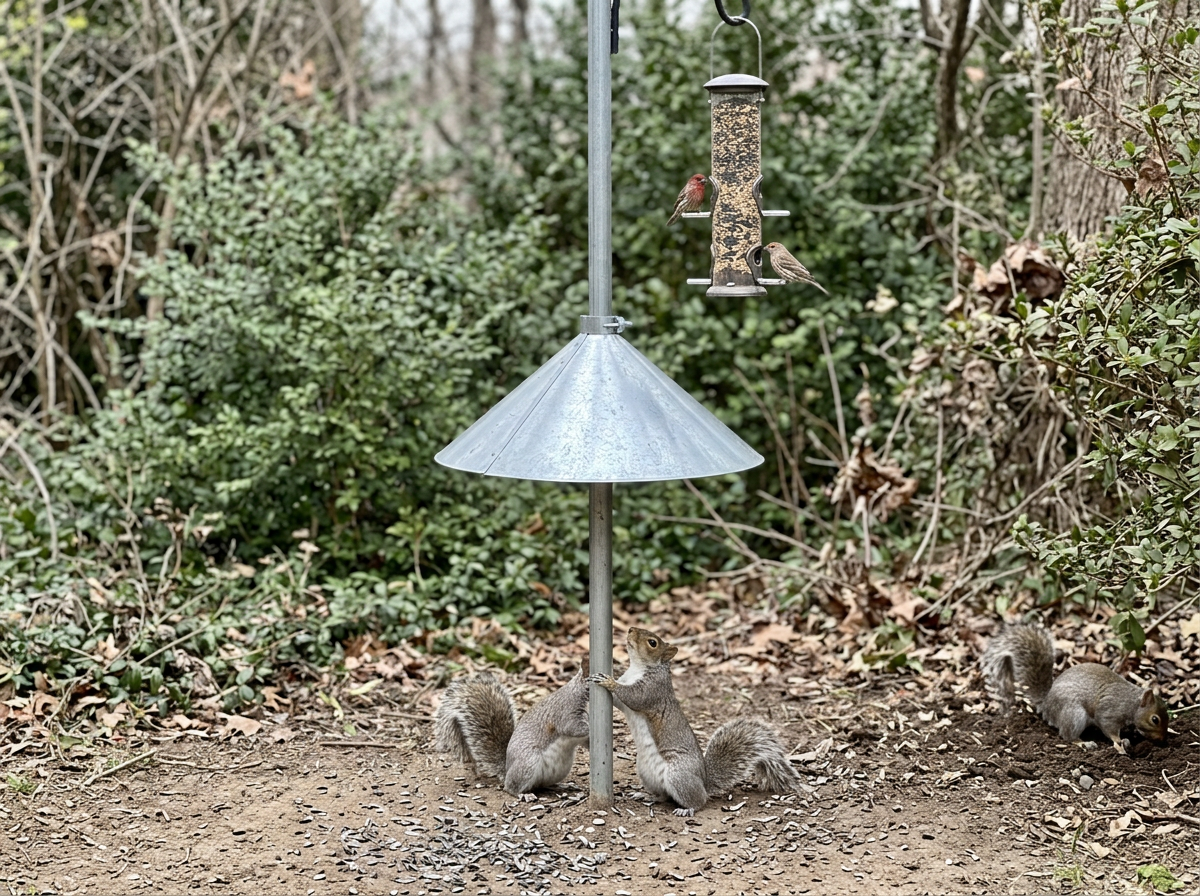
Ground feeders and heavy seed spill create a concentration of birds in the most exposed, vulnerable position possible. If you are using a ground tray or broadcasting seed on the lawn, stop that while a hawk is actively hunting your yard. Switch to tube or hopper feeders that keep birds slightly elevated and less exposed.
Use a squirrel baffle to reduce seed scatter
Squirrels knock seed onto the ground, which draws more prey animals into the open. A pole-mounted baffle positioned between 4 and 5 feet off the ground will keep squirrels off the feeder and dramatically reduce the amount of seed ending up on the ground. Less spill means fewer prey animals foraging in the open, which reduces hunting opportunity for hawks.
Take feeders down temporarily if needed
If the hawk presence is upsetting or persistent, the Indiana DNR's straightforward recommendation is to take feeders down until the hawk moves on. A hawk that finds no prey at your yard will relocate within a few days to a week. This is not a permanent fix, but it breaks the pattern and gives your feeder birds a reset.
Seed storage, cleanup, and yard hygiene
Even though hawks are not interested in your seed, poor seed hygiene creates conditions that attract more prey animals, which in turn attract hawks. Do owls eat bird seed? If you’re wondering about other backyard birds and whether do robins eat bird seed, seed hygiene still matters for keeping the whole feeder area balanced. Keeping your feeding station clean is part of managing the whole ecosystem around your feeders.
Clean up spilled seed and hulls regularly
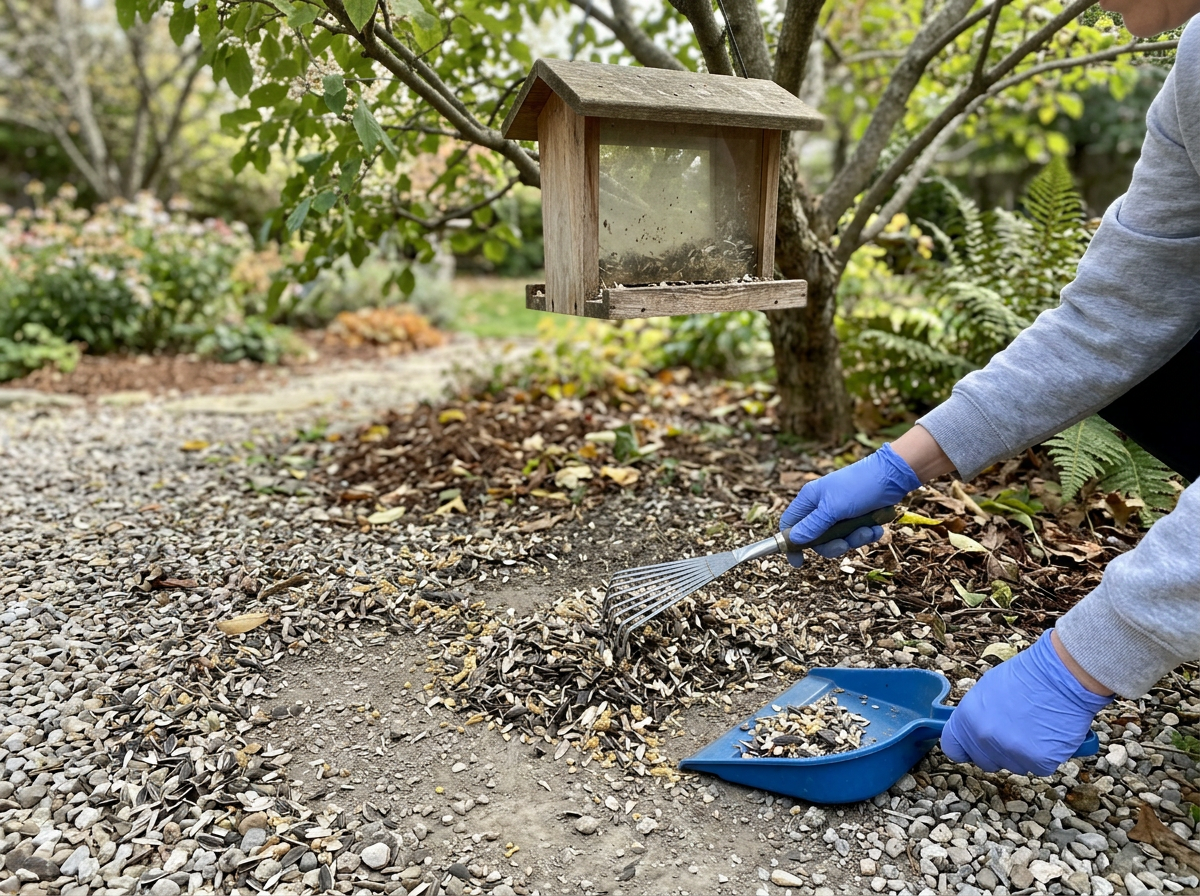
Hulls and spilled grain accumulate fast under feeders, especially with high-traffic species like house sparrows. Rake up spilled seed and hulls at least once a week, and more often in spring when seeds can sprout and create a soggy, moldy mess under the feeder. Audubon specifically recommends raking in early spring as part of basic feeder maintenance. Decomposing seed attracts rodents, which attract hawks, especially Red-tailed Hawks that hunt mammals rather than birds.
Store seed properly to prevent mold and pests
Seed stored in open bags in a garage or shed picks up moisture fast, which leads to mold and insect infestation. Use a sealed, labeled container, ideally a metal or heavy-duty plastic bin with a tight-fitting lid. Keep it off the ground and away from direct sunlight. Moisture is the main enemy: once seed gets damp, mold can develop within days, especially in warm weather.
Dispose of bad seed correctly
If your seed smells rancid, has visible mold, or has clumped together from moisture, do not put it in the feeder. Audubon's guidance is clear: dispose of spoiled or moldy seed where birds cannot access it, which in practice means bagging it and putting it in the trash or burying it well away from the feeding area. Do not just dump it on the ground near the feeder. Wild Birds Unlimited recommends rinsing and fully air-drying your feeder containers before refilling them after any mold or pest issue.
Clean feeders on a regular schedule
A dirty feeder grows mold and can spread disease among your feeder birds, making them weaker and easier prey. Clean feeders every one to two weeks with a 10% bleach solution, rinse thoroughly, and let them dry completely before refilling. Do not refill a wet feeder. Wet seed in a feeder degrades within 24 to 48 hours in warm weather.
If hawks keep coming back: what to do and what to skip
A persistent hawk is not doing anything wrong, and the options for discouraging it are limited by both biology and federal law. Here is a clear breakdown of what actually works, what does not, and what to avoid entirely.
| Action | Does it work? | Notes |
|---|---|---|
| Take feeders down for 1 to 2 weeks | Yes | Breaks the prey concentration pattern; hawk typically relocates |
| Add dense escape cover within 15 to 20 feet of feeder | Yes | Most sustainable long-term fix; small birds survive better |
| Move feeder closer to shrubs or structures | Yes | Reduces open-air hunting opportunity |
| Stop ground feeding temporarily | Yes | Removes the most exposed prey access point |
| Install squirrel baffles and reduce seed spill | Yes (indirectly) | Fewer prey animals in the open = less hawk opportunity |
| Switch seed types or brands | No | Hawks do not eat seed; seed type is irrelevant to them |
| Use fake owls or decoys | Rarely | Hawks habituate to static decoys quickly; not reliable |
| Harass, trap, or harm the hawk | Illegal | All hawks are protected under the Migratory Bird Treaty Act |
| Use netting over feeders | Situational | Can protect birds short-term but must allow safe entry/exit |
| Do nothing and wait | Sometimes | Hawks move on naturally once prey becomes scarce or skittish |
If you have added escape cover, reduced ground feeding, and cleaned up spill but a hawk is still hitting your feeder area hard, the most reliable reset is to take feeders down for one to two weeks. This is the Indiana DNR's direct recommendation and it works because it removes the prey concentration that the hawk is exploiting. When you put feeders back up, the hawk will usually have established a new hunting route elsewhere.
One thing worth knowing: hawk activity at feeders varies significantly by region and season. In the northern US, Accipiter hawk sightings at feeders peak in winter when migratory hawks move south and feeder birds are most concentrated. In milder climates, resident Cooper's Hawks may visit year-round. If this is happening in late fall or winter, there is a reasonable chance the hawk will move on naturally within a few weeks as prey birds become more alert and dispersed.
Your feeder birds are not helpless either. Healthy birds with adequate escape cover can usually evade an Accipiter attack. The hawks that succeed most often at feeders are taking birds that were already compromised, injured, or caught completely off guard. Improving your yard's cover and reducing exposed feeding areas shifts the odds back in favor of the songbirds you are trying to support. If you are also curious about how other non-seed-eating visitors interact with your feeders, the same general principles around prey concentration and cover apply to other predatory species you might observe nearby.
Your action plan for today
- Confirm it is actually a hawk causing the problem by checking for feathers and observing behavior for 10 minutes.
- Rake up all spilled seed and hulls under and around your feeder right now.
- If you are using a ground tray, remove it temporarily.
- Check your stored seed for moisture, clumping, or mold. Discard anything that smells off, and clean and dry the storage container.
- Identify the closest dense cover to your feeder. If it is more than 20 feet away, add a brush pile or dense shrub nearby.
- Install a squirrel baffle at 4 to 5 feet off the ground if you do not already have one.
- If the hawk is hitting birds daily and escape cover is not practical to add right now, take feeders down for 7 to 14 days and let the hawk move on.
- Do not attempt to trap, harm, or intentionally harass the hawk. It is federally protected.
FAQ
If a hawk is on my feeder, how can I tell whether it is actually hunting nearby birds versus resting nearby?
Watch for short hunting moves, like repeated scanning from the same perch, then sudden drops or quick flight toward cover, followed by an immediate return. If the bird is staying still for long stretches with no pouncing behavior, it may be resting or tracking activity around your yard rather than actively feeding.
Do hawks ever eat the sunflower hearts or suet at feeders, even if they do not eat “seed” as food?
Hawks are still unlikely to take feeder food as a meal. Even when they land near seed, the consistent drivers are prey presence (small birds and rodents) and hunting convenience, not the calories in seed or suet.
Will changing from sunflower to a smaller seed type reduce hawk visits?
Seed type usually does not fix the problem because the key factor is prey concentration at predictable times and locations. If your feeder still reliably attracts the same small birds, hawks can remain in the area regardless of what you use.
Does removing the feeder completely always fix a hawk problem?
Taking feeders down helps because it breaks prey predictability, but it is not instant. A hawk may continue hunting the surrounding area for a few days, especially if other natural prey sources are scarce. Consider keeping feeders down for the short “reset” window (about one to two weeks) before deciding the cause is something else.
What if the hawk is hunting rodents instead of feeder birds, will feeder changes still matter?
Yes, but indirectly. If hawks are focusing on mice or voles, cleaning up seed spill can still reduce the number of rodents around the feeder, which can make the yard less attractive overall. For that scenario, pay extra attention to seed hygiene and removing ground-level spill.
Are there times of day when hawks are more likely to appear at feeders?
In many backyards, hawk activity increases when small birds are most concentrated and visible, often during early morning and late afternoon when they are feeding and moving between perches. If you notice the hawk showing up repeatedly around those windows, adjust feeder placement and escape cover timing rather than only changing seed.
Should I stop feeding all birds if a hawk visits my feeder area?
Not necessarily. The goal is to make the feeding station safer by adding nearby escape cover, reducing ground spill, and moving feeders closer to structures or dense plantings. Only remove feeders as a targeted reset if the hawk stays persistent even after those changes.
Could my feeder be attracting hawks because of something other than seed, like a bird bath or trash?
Yes. Bird baths that concentrate small birds, sheltered fruit trees, and open compost or pet food can all increase prey activity and make hunting easier. If hawk pressure continues after feeder changes, check other high-traffic food or water sources in the same area.
How far should feeders be from windows, and does this affect hawk risk too?
Place feeders at least about 3 feet from windows to reduce collision risk for birds that startle and flush. While hawks may use the same approach lanes, safer spacing and added cover still help by reducing panic flights into the open.
Is raking once a week enough if I have heavy spill or lots of house sparrows?
If you see significant hull buildup or active foraging on the ground, once a week may be too slow. Increase to multiple times per week during high-traffic periods so you do not keep replenishing the exposed, foraging “hot spot” that draws in additional prey animals.
What should I do if I find moldy seed, and should I remove it even if birds already ate some?
Remove and discard moldy or clumped seed so it cannot keep attracting rodents or spreading mold. Bag it and dispose of it away from the feeding area rather than leaving it under the feeder, and only refill once the feeder and surrounding area are dry and clean.
If I install escape cover, how do I make sure it actually helps during a hawk attack?
Place dense cover close enough that small birds can reach it quickly, roughly within 15 to 20 feet of the feeder, and ensure there is a usable route from the open feeding spot to that cover. If the cover is too far, or blocked by open lawn, birds may not make it in time during a fast pounce attempt.
Next Article
Do Robins Eat Bird Seed? What to Offer and Winter Tips
Do robins eat bird seed? Learn which types they like, how to offer it, plus winter tips and seed hygiene.