Quick answer: yes, rabbits will eat bird seed, but they really shouldn't
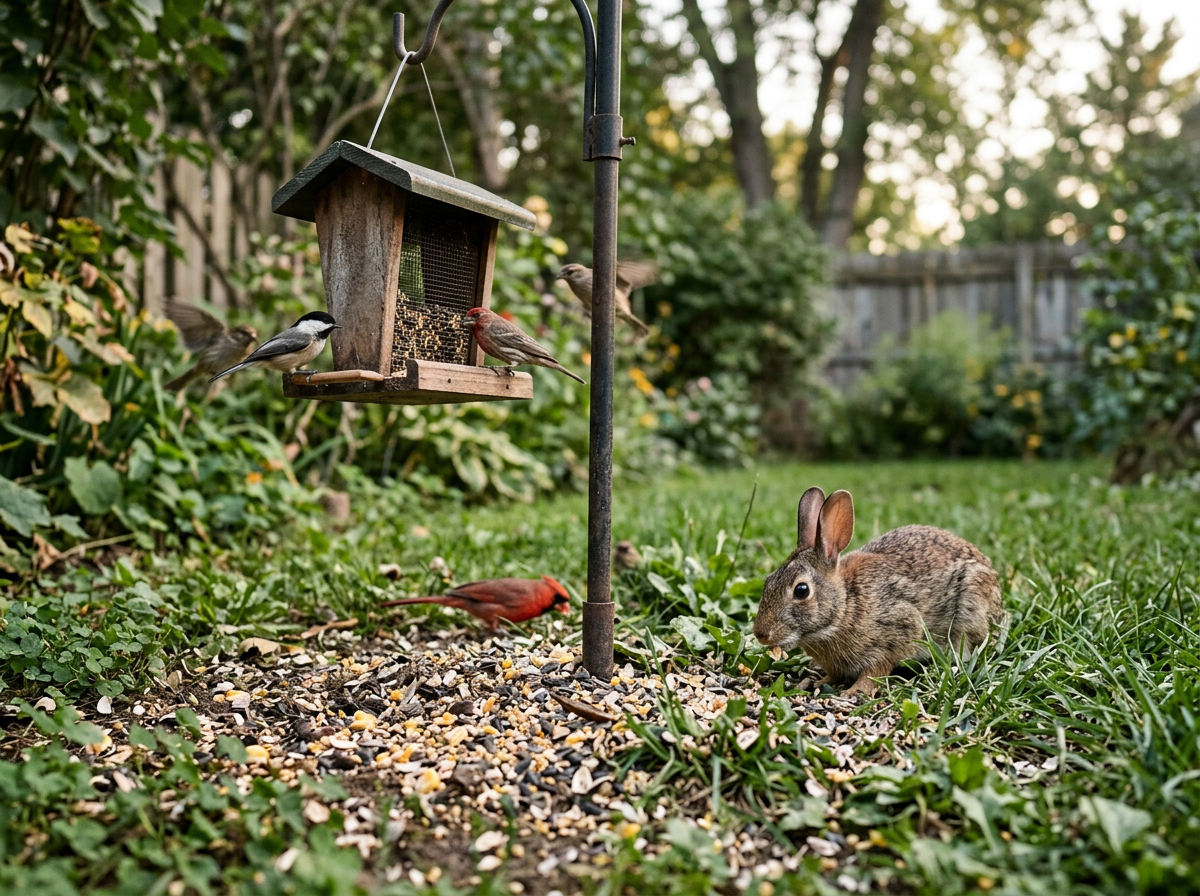
Rabbits will eat bird seed if they find it, but that doesn't mean it's safe for them. Multiple veterinary and animal welfare organizations, including PetMD, the RSPCA, and Best Friends Animal Society, are clear that seeds, grains, and nuts are not appropriate food for rabbits. Bird seed is high in fat and simple carbohydrates, which a rabbit's digestive system is not built to handle. So the short answer is: yes, rabbits eat it; no, you shouldn't encourage it; and yes, you can do something about it.
Pet rabbits vs wild rabbits: the difference matters
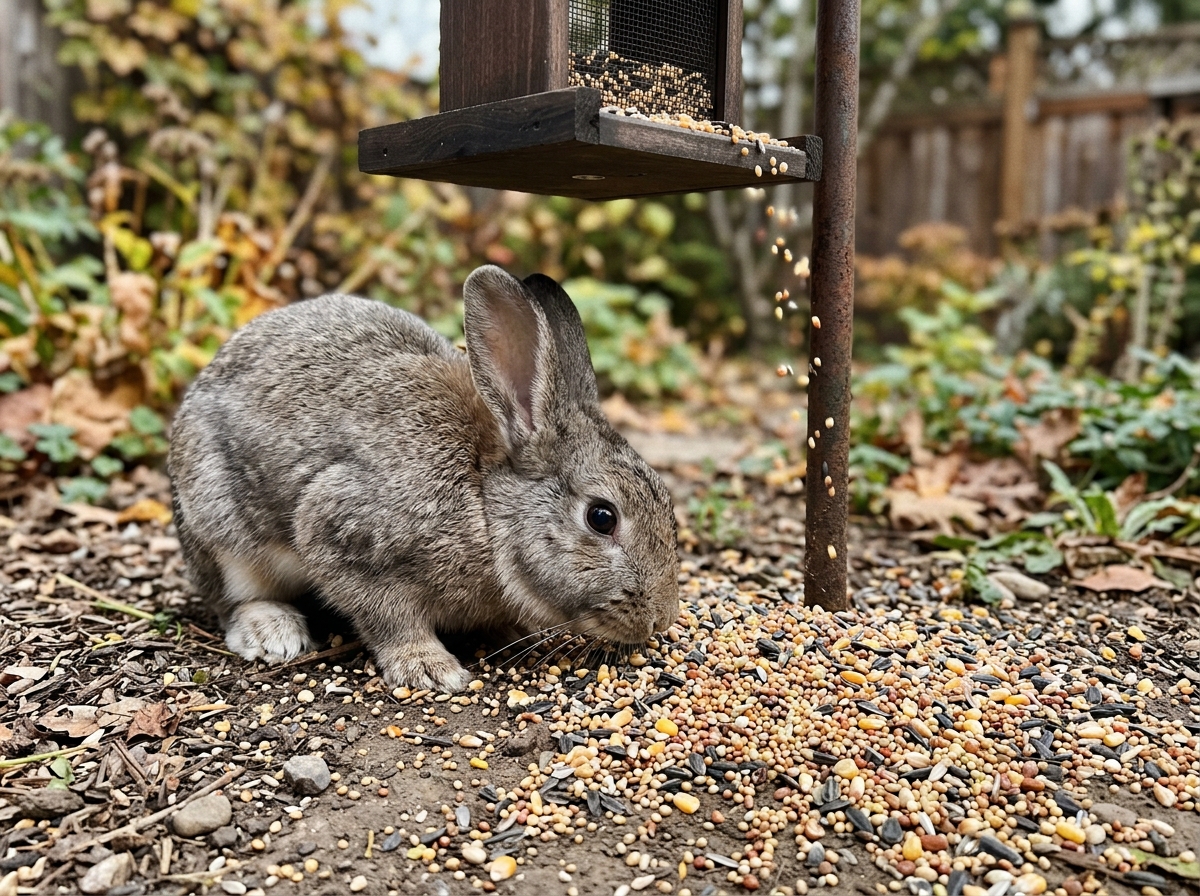
Pet rabbits and wild rabbits behave quite differently around bird seed, and it's worth separating the two because the risks and responses are different.
Pet rabbits
If you have a pet rabbit and a bird feeder in the same yard or space, your rabbit may show interest in spilled seed on the ground. Pet rabbits are curious and will often nibble at anything within reach. The problem is that most commercial bird seed mixes contain exactly what veterinary guidance says to keep away from rabbits: sunflower seeds, millet, corn, safflower seeds, and sometimes peanuts. All of these are high in fat or simple carbohydrates. PetMD specifically warns against feeding rabbits pellets that contain seeds, grains, or nuts, and the RSPCA (UK) notes that muesli-style diets, which look a lot like bird seed, increase the risk of serious teeth and digestive problems in rabbits. If you have a pet rabbit, the feeder area is off-limits for grazing.
Wild rabbits
Wild rabbits are opportunistic foragers. They don't have a diet curated by a vet, so they'll take what's available. Under a bird feeder, that means spilled seed on the ground, and they'll eat it without hesitation. Wild rabbits visiting your yard aren't necessarily in immediate danger from a small amount of seed, but they are attracted to feeders for that reason, and repeated access to high-fat, high-carb food isn't ideal for them either. More importantly from a feeder hygiene standpoint, wild rabbits digging and foraging under feeders can stir up seed debris, accelerate mold growth in damp conditions, and bring in additional pest pressure that affects your birds.
Why rabbits are drawn to bird seed in the first place
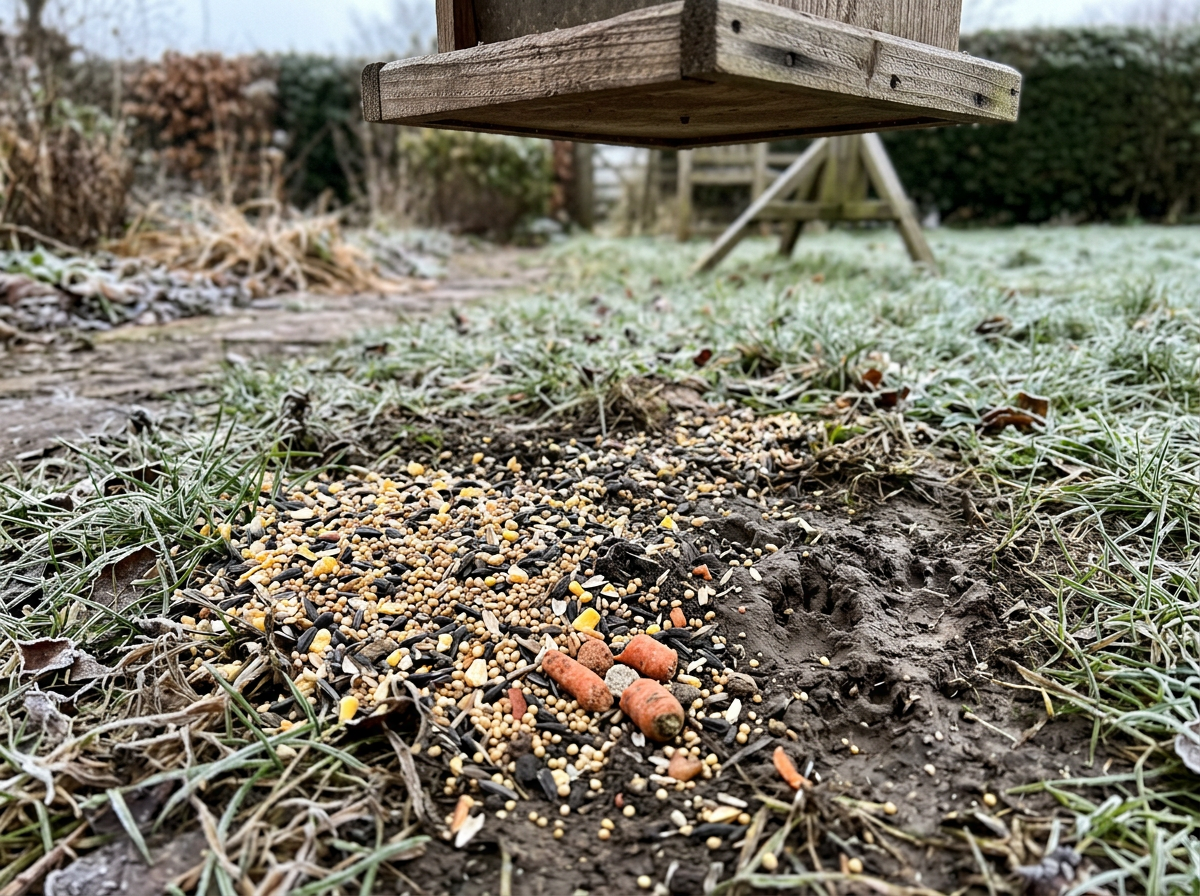
Understanding why rabbits show up under feeders helps you deal with them more effectively. It's not complicated: bird seed is calorie-dense, easy to access at ground level, and often spilled in large quantities. Wild rabbits are grazers who cover a lot of ground looking for food, and a pile of millet or cracked corn under a platform feeder is a genuinely attractive food source compared to sparse winter grass or dry summer ground cover.
Nutritionally, bird seed is high in fats and carbohydrates. For a small animal like a rabbit, that's a dense energy hit. The RSPCA and nidirect both specifically list seeds, grains, corn, nuts, and similar foods as things to avoid completely in rabbit diets because of the fat and carbohydrate load. The appeal is understandable, but the suitability just isn't there. Wild rabbits are also attracted by the shelter that feeders and nearby shrubs provide. If your feeder is near a hedge, brush pile, or dense planting, rabbits have both food and cover, which is the ideal setup from their perspective.
Safe guidance whether you want rabbits eating seed or want them gone
If you want to allow some rabbit activity
Honestly, feeding wild rabbits bird seed directly isn't something I'd recommend. If you enjoy watching wildlife and want to support rabbits in your yard, offer them something actually appropriate: fresh hay, leafy greens like romaine or kale, or plain oat grass. These won't cause the digestive or dental issues that seeds and grains can. Keep any bird seed separate and off the ground so rabbits can't access it while still allowing birds to feed.
If you want to keep rabbits away from feeders
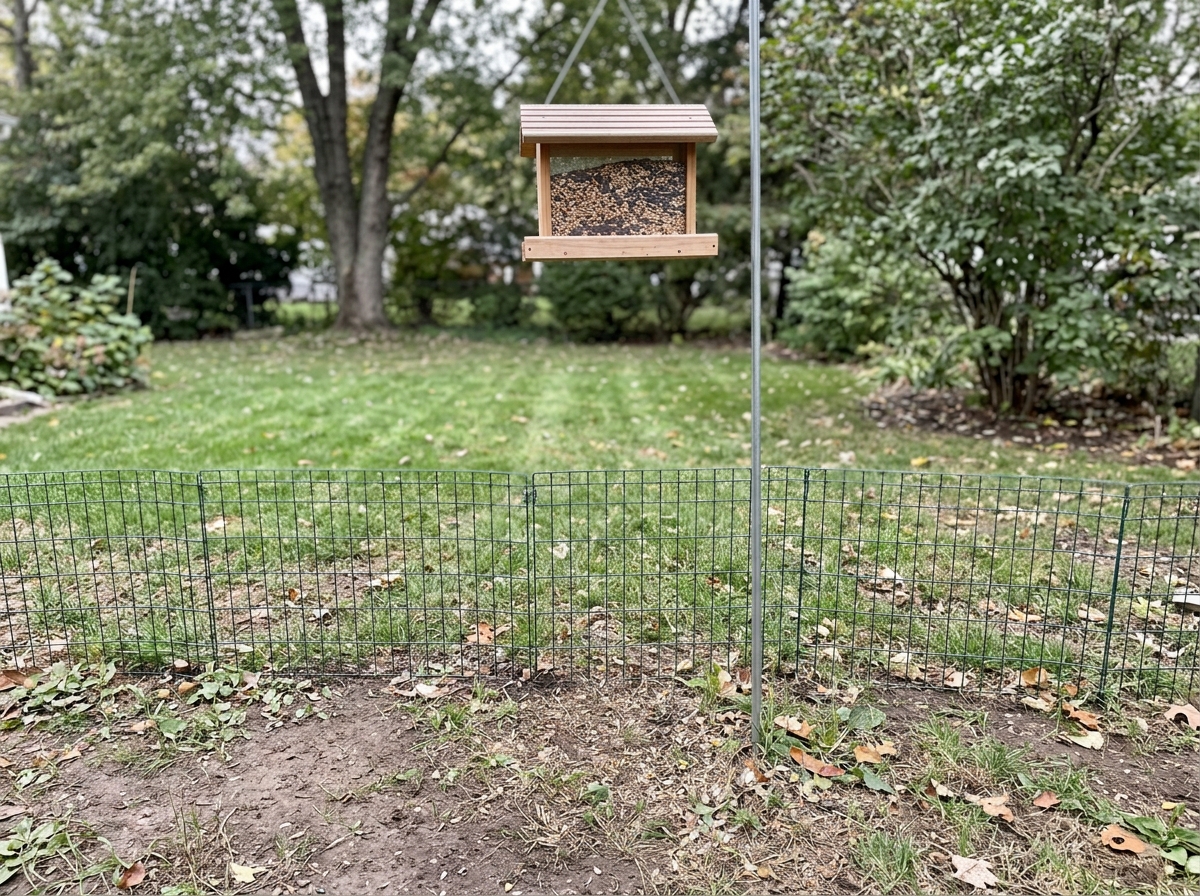
This is the more common situation, and it's very manageable. The goal is to eliminate the two things drawing rabbits in: spilled seed on the ground and accessible low-hanging feeders. Here's what actually works:
- Switch to tube feeders or hanging feeders mounted at least 4 to 5 feet off the ground. Rabbits can't jump or climb to reach these.
- Use a seed catcher tray under hanging feeders to collect spilled seed before it hits the ground. Empty and clean the tray every 1 to 2 days.
- Avoid scattering seed directly on the ground or using open platform feeders at ground level, which are essentially rabbit buffets.
- Choose seed blends with minimal waste. Pure sunflower chips, shelled peanuts for birds, or nyjer (thistle) seed attract specific birds and produce less mess than mixed blends with lots of filler.
- Install a wire hardware cloth barrier around the base of the feeder area using 1-inch or smaller mesh. A 2-foot radius cylinder staked into the ground keeps rabbits from foraging right beneath the feeder.
One important safety note on contaminated seed
Spilled seed that sits on damp ground is a real problem, not just for rabbits but for all backyard wildlife and your birds. Wet seed molds quickly, sometimes within 24 to 48 hours in humid or rainy conditions. Moldy seed contains aflatoxins and other fungal toxins that are harmful to birds and any animal that eats the seed, including rabbits. If you see wet, clumped, or discolored seed under your feeder, clean it up immediately and don't let any animal eat it. do foxes eat bird seed. do bears eat bird seed
Storing bird seed to prevent mold, pests, and spoilage
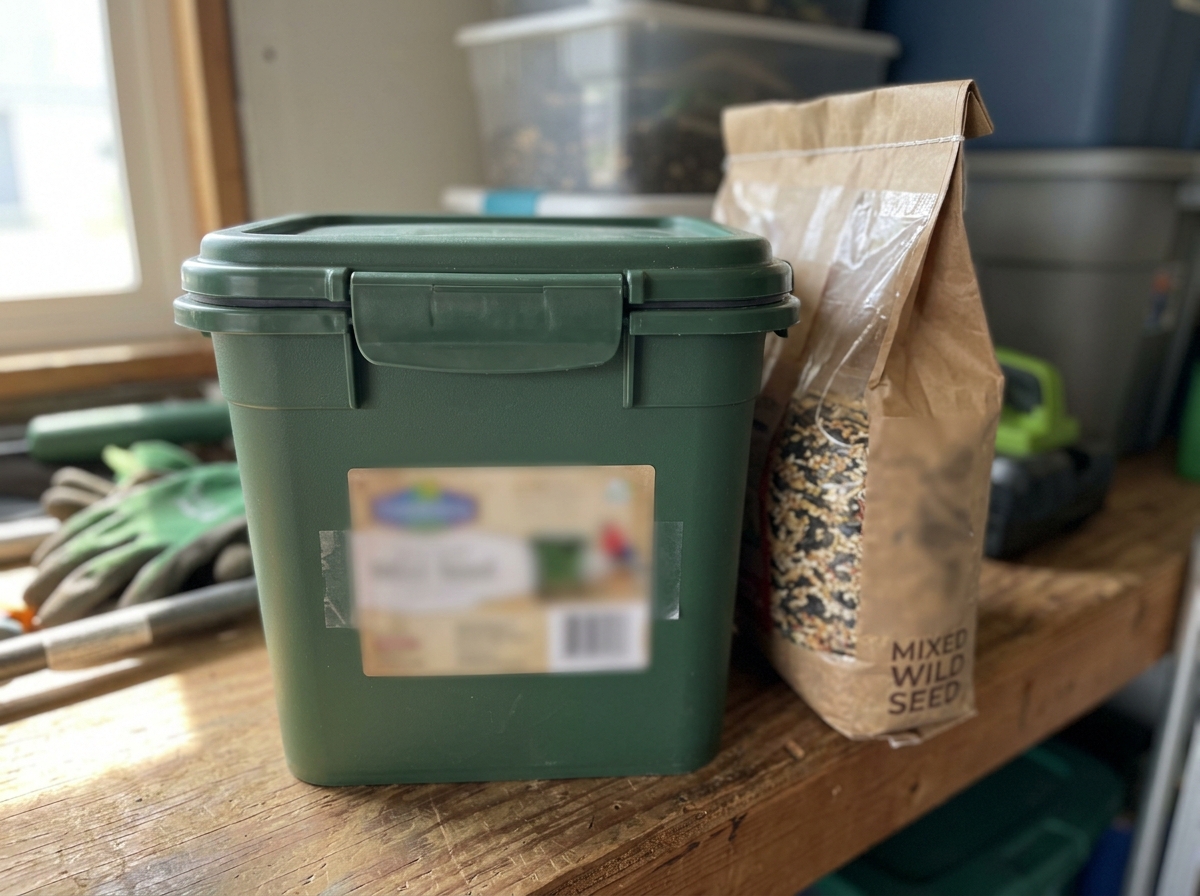
Good seed storage is the foundation of a clean, pest-free feeding setup. If you're storing seed improperly, you're creating problems before the seed even reaches the feeder.
- Store seed in airtight, hard-sided containers. Metal galvanized trash cans with locking lids are ideal because they keep out moisture, mice, and squirrels. Plastic bins work if they seal tightly, but rodents can chew through them.
- Keep storage containers off the ground and away from exterior walls, ideally in a garage, shed, or utility room. Ground contact allows moisture wicking.
- Buy seed in quantities you'll use within 4 to 6 weeks. Seed stored longer than that, especially in warm or humid environments, is at real risk of going rancid or molding.
- Check seed before filling feeders. Good seed smells neutral or slightly nutty. Rancid seed has an off or sour smell. Discard any seed that smells wrong, looks clumped, or shows white or gray fuzzy growth.
- Never mix old seed with fresh seed. Dump, clean, and dry your storage container before refilling.
- In warm, humid climates (the southeastern US, coastal regions, or anywhere with summer humidity above 60 to 70%), buy smaller quantities more frequently. Heat and humidity accelerate spoilage dramatically.
Cleanup and pest control under feeders to reduce rabbit visits
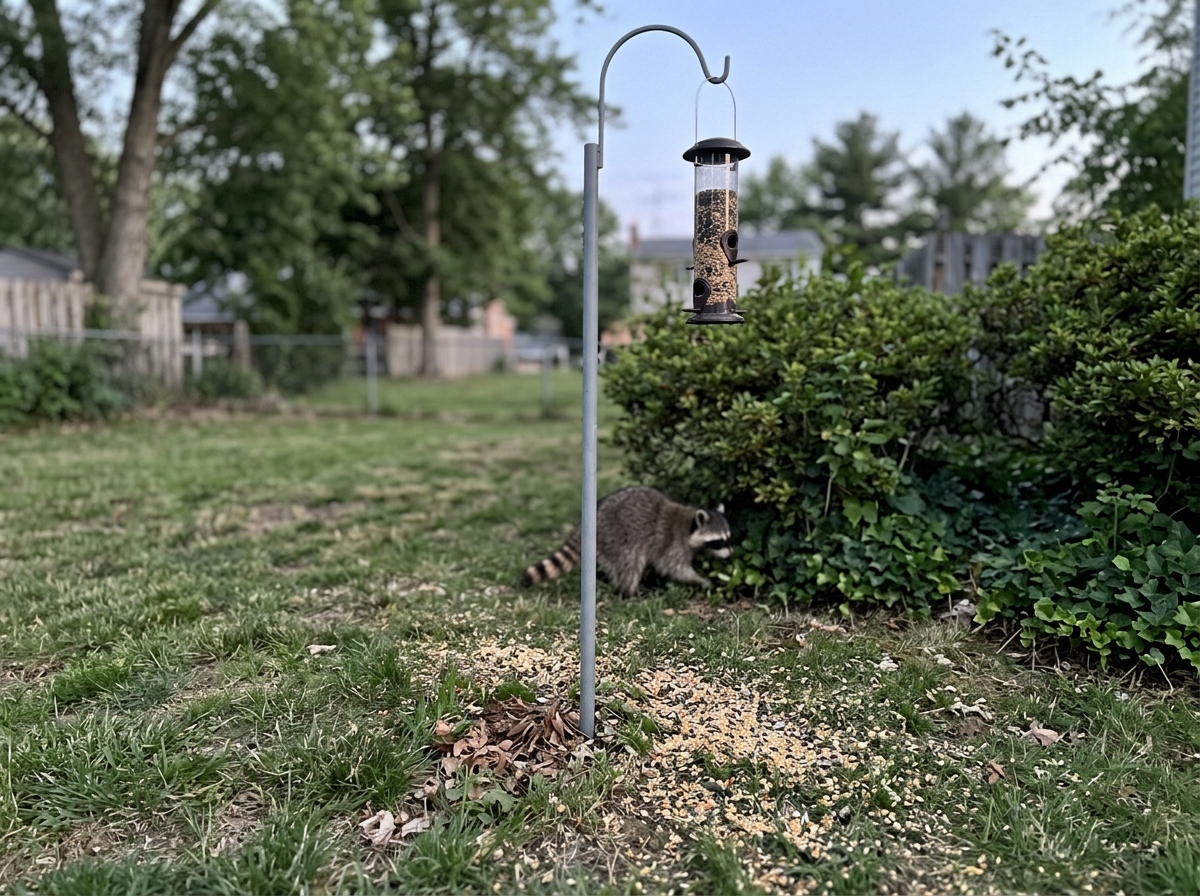
A clean feeder area does double duty: it keeps your birds healthier and it removes the main reason rabbits (and other wildlife like mice, raccoons, and deer) come around in the first place. Spilled seed on the ground is the number one driver of unwanted animal visits.
Daily and weekly cleanup routine
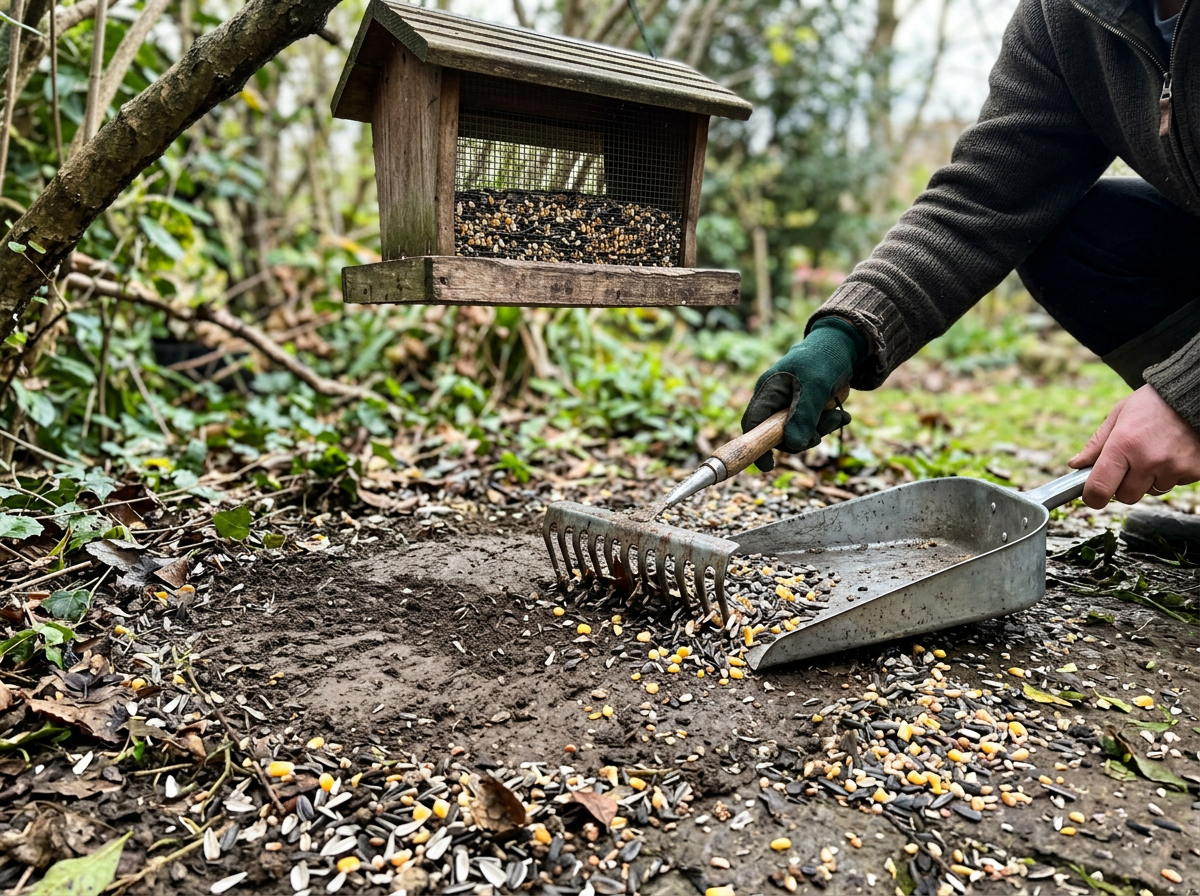
- Daily: Rake or sweep seed debris from directly under the feeder. In wet weather, do this every day without exception since seed molds fast on damp ground.
- Every 1 to 2 days: Empty and rinse seed catcher trays. Dry them before refilling to prevent mold from forming in standing moisture.
- Weekly: Scrub the feeder itself with a 10% bleach solution (1 part bleach to 9 parts water), rinse thoroughly, and let it dry completely before refilling. This kills bacteria and mold that accumulate in the seed channels.
- Monthly: Clear a 3-foot radius around the feeder base of fallen hulls, seed debris, and shell fragments. These compact into a layer that holds moisture and becomes a permanent mold and pest magnet.
Physical exclusion around the feeder base
Hardware cloth is your best tool for keeping ground-foraging animals away from the area directly under a feeder. Cut a circle of 1-inch wire mesh roughly 2 to 3 feet in diameter and lay it flat on the ground centered under the feeder, or form it into a cylinder and stake it into the ground. Birds can still land and pick at seed through the mesh, but rabbits and larger mammals are deterred from settling in and grazing freely. This is especially useful if you're using a platform or ground-level tray feeder and can't relocate it.
What to do after rabbit activity
If you've had rabbits visiting your feeder area regularly, do a more thorough cleanup before resuming normal feeding. Remove all seed debris from the ground, including any damp or clumped seed that may have been disturbed by digging or foraging. Rake the soil surface to expose and dry any buried seed. If the ground looks compacted and seed-matted, use a garden fork to loosen it before raking. Then let the area dry out for a day before resuming feeding, and put your exclusion barrier in place before refilling the feeder.
Seed choices that reduce ground mess
Some seed types create significantly more ground debris than others. Shell-in sunflower seeds, for example, leave hulls everywhere. Switching to sunflower chips (shelled) or nyjer seed reduces hull buildup considerably. No-waste seed blends, which are designed so birds eat everything without dropping filler, are another good option if rabbit visits are a recurring problem. Less debris on the ground means less reason for rabbits, mice, and other wildlife to show up in the first place.
| Seed Type | Ground Mess Level | Rabbit Attraction Level | Notes |
|---|
| Shell-in sunflower | High (hulls) | High | Most common mess source; leaves thick hull debris |
| Sunflower chips (shelled) | Low | Medium | No hull waste; still calorie-dense if reached |
| Nyjer (thistle) | Low | Low | Fine seed; less attractive to ground foragers |
| Mixed blends with millet/corn | High | Very high | Corn and millet are strong rabbit attractants |
| No-waste blends | Low | Low to medium | Designed to reduce spillage; birds eat more completely |
If rabbits are a persistent problem at your feeders, the seed type swap combined with a hanging feeder and a hardware cloth barrier will make a noticeable difference within a week or two. The same cleanup approach applies if you're dealing with other ground-foraging wildlife. Mice and deer are attracted to spilled seed for many of the same reasons rabbits are, and the prevention strategies overlap significantly.